Google‘s 2025 environmental report revealed a 37% year-over-year increase in electricity consumption—the largest in company history. Data centers consumed over 42 million megawatt-hours, with rapid AI infrastructure expansion cited as the primary driver. The surge signals growing energy demands as AI training and inference workloads scale.
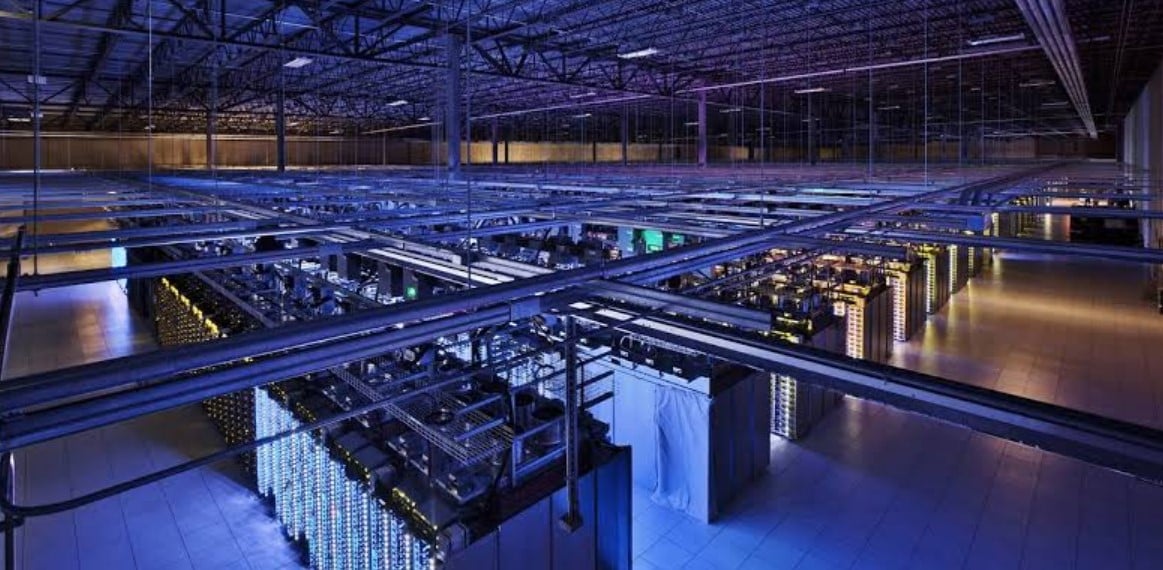
The 37% jump is enormous for a company Google’s size. It reflects genuine acceleration in AI computation. Google is building inference capacity for Gemini, training larger models, and expanding availability globally. That work requires electricity at scales previous generations never contemplated.
AI’s Energy Appetite
AI training requires immense computational power. Inference at scale is electricity-intensive. Every query to Gemini runs through thousands of processors. Every image generated by image models consumes power. Multiply that across billions of users and the aggregate consumption becomes staggering.
Google isn’t alone. Meta, OpenAI, and other AI leaders are expanding electricity consumption. Amazon and Microsoft are purchasing nuclear power plants and making long-term energy deals. The AI infrastructure race is becoming an electricity race.
Sustainability Questions
A 37% electricity increase conflicts with climate commitments. Google has promised carbon-neutral operations. Meeting that promise requires renewable energy investments and efficiency gains. The company can’t simply buy more electricity and call it green.
The environmental report shows Google using 60% renewable electricity. That’s respectable but leaves significant fossil fuel dependence. As consumption grows, maintaining that renewable ratio requires continuous investment. It’s achievable but expensive.
Google’s record 37% electricity surge highlights AI infrastructure as a major energy consumer, raising sustainability questions for the entire industry.

Follow iNews Zoombangla On Google
Open the Google follow page and tap the checkmark option to receive more updates from iNews Zoombangla in your Google news feed.