Google DeepMind released three new Gemini models on July 21: Gemini 3.6 Flash, 3.5 Flash-Lite, and 3.5 Flash Cyber. The announcement refocused the company on practical efficiency rather than chasing flagship capability updates.
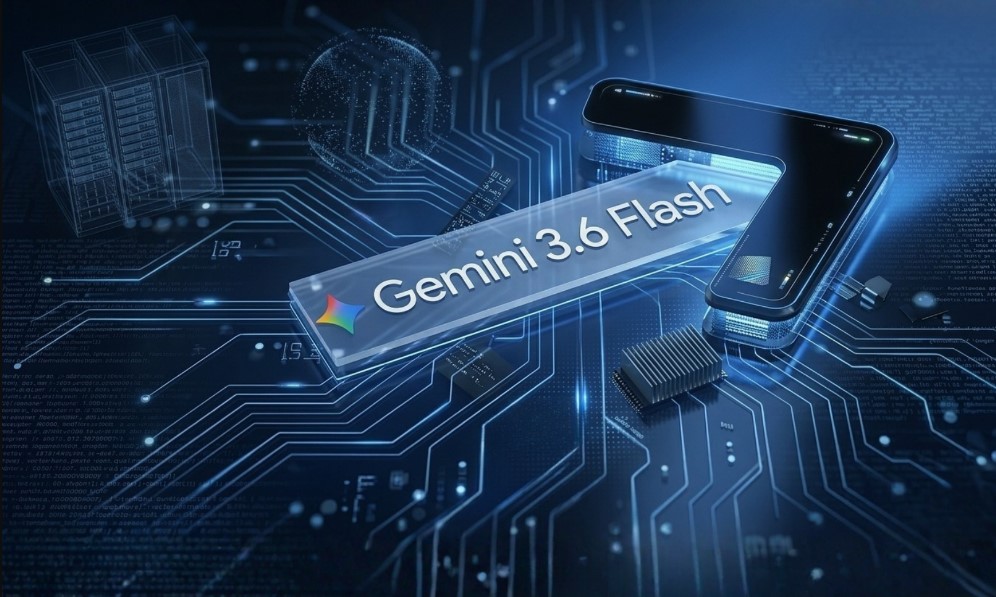
Gemini 3.6 Flash is Google’s updated workhorse model, cutting token usage by up to 17% compared to its predecessor while improving coding, knowledge work, and multimodal performance. The cost per token drops, making it attractive for production applications where API spend matters.
Three Models, Three Purposes
Gemini 3.5 Flash-Lite targets developers who need the cheapest option for straightforward tasks. Lighter models trade raw capability for speed and cost. For many use cases, you don’t need the heaviest hitter.
Flash Cyber is specialized for cybersecurity work. Google fine-tuned it for vulnerability discovery and exploitation prevention. The model supports threat modeling, code review, and red-teaming exercises. Access is limited to governments and trusted partners for now.
The Flagship Gap
Notably absent from the release is an update to Gemini Pro, Google’s flagship model. It last saw updates in February 2026. The silence around a Pro refresh suggests Google is prioritizing shipping smaller, faster models that compete on value rather than raw capability.
This mirrors what competitors are doing. OpenAI ships multiple GPT variants. Anthropic offers Claude at different scale tiers. The market is moving toward specialization.
Hardware and Efficiency
Behind the scenes, Google is developing a new chip codenamed Frozen v2, expected in 2028. The chip could be 6 to 10 times more efficient at token generation per unit of power compared to existing Google AI silicon. Efficiency improvements flow down to users through lower latency and cost.
Developers can use 3.6 Flash now for production workloads, with 3.5 Flash-Lite as the budget option for less complex tasks.

Follow iNews Zoombangla On Google
Open the Google follow page and tap the checkmark option to receive more updates from iNews Zoombangla in your Google news feed.