Google‘s electricity consumption jumped 37% year-over-year in 2025. Data centers alone consumed over 42 million megawatt-hours. That rivals the total annual electricity use of New Zealand.
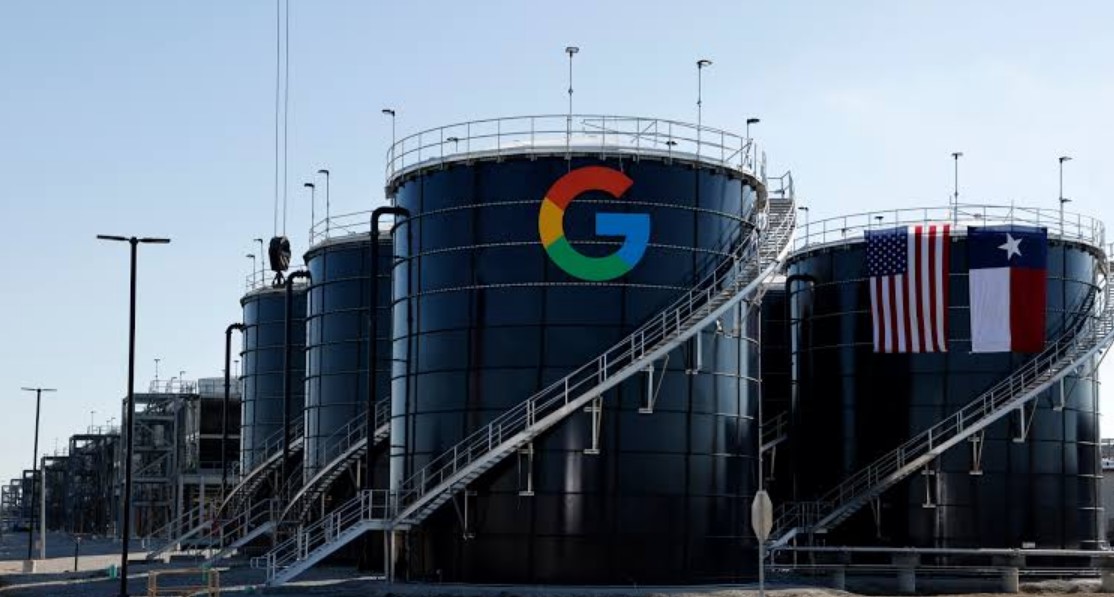
AI is the reason. Google is training and running large language models at scale. Each query to Gemini, each image generated, each video searched draws power. Add millions of queries per day and the bill becomes staggering.
The Math
Google’s cumulative power consumption growth since 2019 exceeds 250%. The company has added more electricity demand in six years than it did in the prior two decades.
Google is not alone. Microsoft, Meta, and Amazon are all in the same position. AI infrastructure is power-hungry. There is no way around it.
The Sustainability Problem
Google’s environmental report states plainly: AI infrastructure is expanding faster than the grid is decarbonizing. That means even as Google sources more renewable energy, total emissions are rising. The renewable energy is not keeping up with the new load.
Google will need to build or invest in new power plants. Solar and wind are not enough. The company is already in conversations about nuclear power. A few tech companies are exploring small modular reactors.
This is not a publicity problem. It is a real constraint. Power is now a bottleneck for AI infrastructure expansion. If you cannot get power, you cannot scale data centers.
What This Means
Energy costs will rise. Cloud computing will get more expensive. AI models will need to be more efficient per token of output, or customers will pass on the expense.
Governments will regulate this. Expect restrictions on AI data center placement in regions with tight power supplies. Some countries will offer tax breaks for companies that build data centers near cheap power sources.
Google’s 37% power surge is not a one-year blip. It is the new normal. AI is thirsty.

Follow iNews Zoombangla On Google
Open the Google follow page and tap the checkmark option to receive more updates from iNews Zoombangla in your Google news feed.