The peace deal between the United States and Iran may reopen the Strait of Hormuz on paper, but energy analysts say the practical restoration of oil flows through the world’s most important shipping corridor will take considerably longer. Insurance coverage remains suspended, port infrastructure inside Iran needs repair, and ships that have been waiting in the Persian Gulf for months will need to be cleared in sequence.
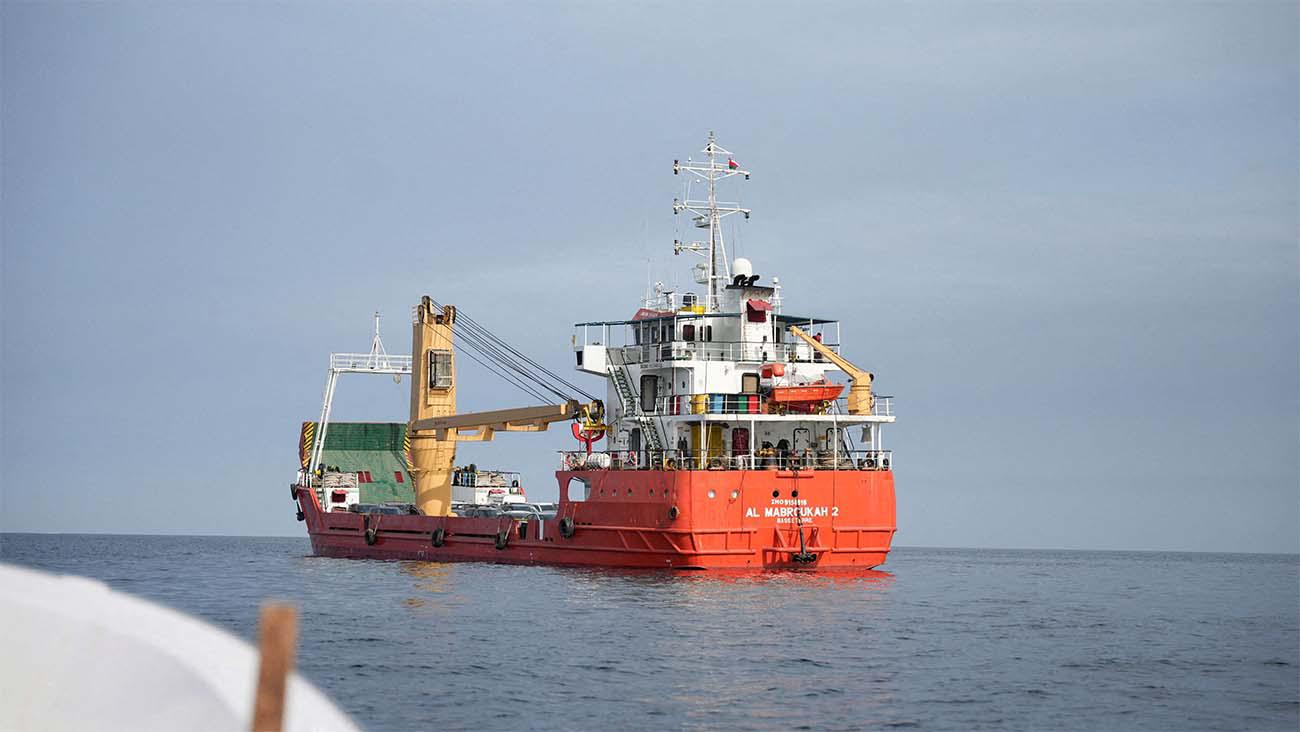
Energy consultants said the delay between a blockade removal and actual supply normalisation is likely to run six months or more. Tankers that have been anchored since the closure began in March are in varying states of readiness. Some require maintenance after months at sea without discharge. Others have contracts that expired during the standoff and need to be renegotiated before they move.
Insurance is the biggest immediate bottleneck. Lloyd’s of London and other major marine underwriters suspended war-risk coverage for vessels transiting the strait when the conflict began. Underwriters have indicated they will not reinstate coverage automatically when the blockade lifts; each insurer will make its own assessment based on the security situation on the ground. That process typically takes weeks, not days.
The Persian Gulf produces a significant share of the world’s crude oil, and several producer nations rely on the Hormuz corridor to export essentially all of their output. Saudi Arabia, Kuwait, Iraq and the UAE have continued producing during the closure, but storage capacity near their export terminals is running low after three months without free maritime transit.
Iran’s own oil infrastructure took damage during the conflict. Some refining and loading facilities near Bandar Abbas, Iran’s primary oil export port on the strait, sustained hits during US airstrikes in May. Iranian officials have not publicly stated how long repairs will take, but independent analysts who have reviewed satellite imagery estimate significant portions of the terminal will need several months of work before they can operate at full capacity.
The gap between the formal reopening of the strait and the actual restoration of pre-conflict oil volumes means market prices may not fall as far as some traders are anticipating. Several analysts who spoke to news outlets on Sunday noted that market sentiment tends to overshoot on both sides, and that the 5 percent price drop may partially reverse once the physical supply picture becomes clearer.
European importers face an additional complication. Much of the crude that normally flows through Hormuz is destined for refineries in South Asia and East Asia. European refineries had largely rerouted their supplies through West Africa and the North Sea during the closure, and unwinding those arrangements takes time. Shipping routes optimised for the closure period will need to be reset, adding logistical delays of their own.
ABC News cited energy economists who said the best-case scenario for a full supply normalisation was late 2026, assuming no further disruptions and a swift resolution of the insurance issue. The G7 leaders gathering in Évian, France, called on all parties to work quickly to implement the deal’s terms. France’s government described the reopening of Hormuz as an economic priority for the European Union as much as a geopolitical one.

Follow iNews Zoombangla On Google
Open the Google follow page and tap the checkmark option to receive more updates from iNews Zoombangla in your Google news feed.