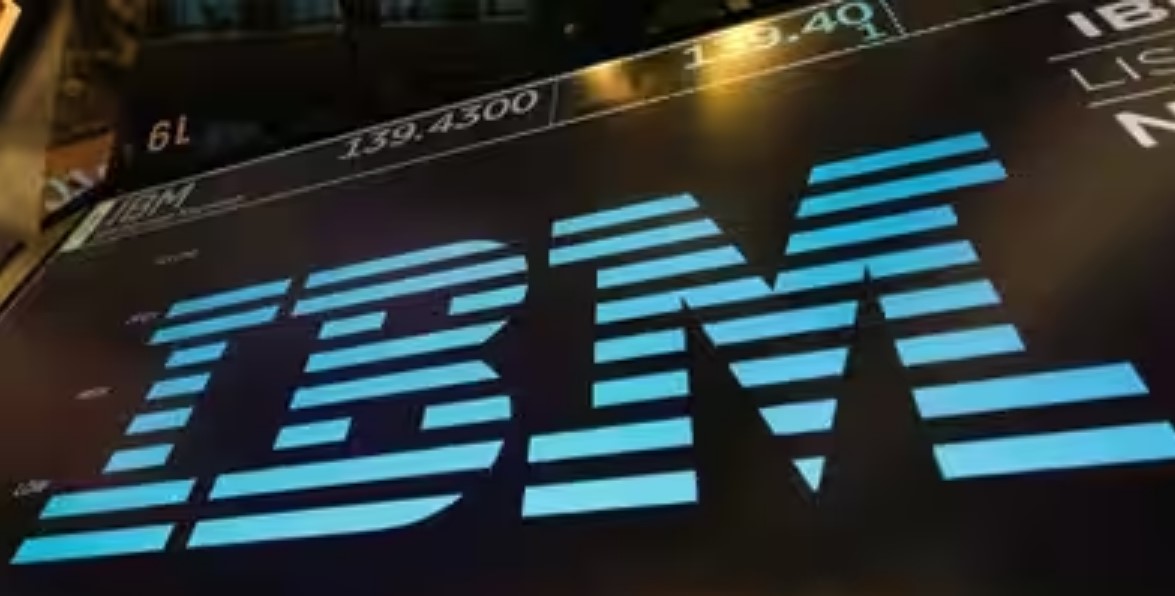
IBM shares plunged 25% on Tuesday after the company missed expectations on second-quarter sales, marking the worst trading day in the company’s 112-year history. The stock sank further than the October 19, 1987 crash that had held the previous record at 23.7%. CEO Arvind Krishna blamed the shortfall on weakness in software and infrastructure as clients shifted spending toward hardware purchases like memory chips and servers.
The Earnings Miss
Preliminary second-quarter revenue totaled $17.2 billion, below analysts’ estimates of $17.9 billion. That $700 million gap came primarily from IBM’s infrastructure division, which includes mainframe computers and saw sales drop 7%. The company pointed to an unexpected repriorization of capital spending in the last few weeks of June. Clients shifted quarterly capex toward servers, storage, and memory to secure supply-constrained infrastructure ahead of expected price increases.
IBM did not anticipate the magnitude of the capex reprioritization. The result was a historic stumble for a company that has weathered decades of technology shifts.
What Comes Next
Full results arrive July 22, 2026, when IBM reports complete financial performance and provides updated guidance. The preliminary numbers paint a company caught off guard by where enterprise customers chose to spend. Whether this signals a temporary blip or a deeper shift in how clients allocate technology budgets remains the central question for investors heading into the full earnings call.
The Broader Picture
The miss underscores the pressure tech companies face in an environment where hardware shortages and price volatility are reshaping purchasing decisions. Enterprise customers are behaving rationally—lock in infrastructure now before costs rise. For IBM, the timing simply did not align with internal forecasts.
The full earnings report on July 22 will show whether this represents a one-quarter disruption or the start of a sustained downturn in enterprise software and services spending.

Follow iNews Zoombangla On Google
Open the Google follow page and tap the checkmark option to receive more updates from iNews Zoombangla in your Google news feed.