India travels to Lord’s on July 19 for the third ODI against England. The series stands tied 1-1, making this match crucial. England already claimed the T20 series 4-0 after asserting dominance earlier in the tour.
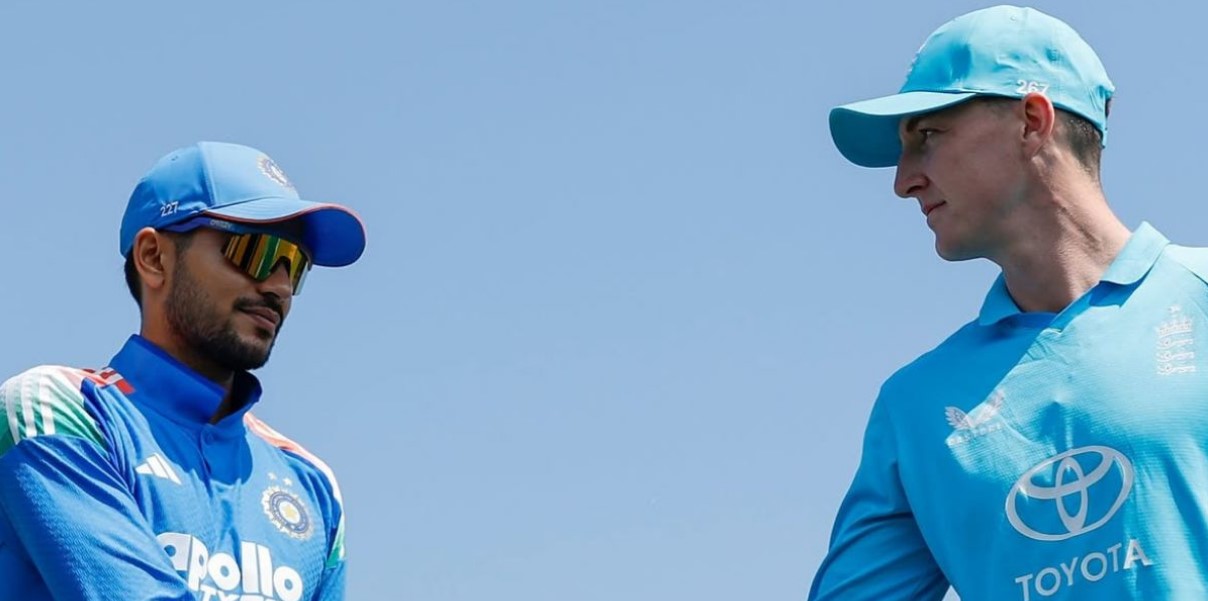
Cricket’s oldest venue hosts a decisive match. India needs a win to level the ODI series. England wants to complete a clean sweep across formats.
How We Got Here
England dominated T20 cricket during this tour, winning four straight matches. The format favored England’s explosive batting and death bowling. T20 is quick, and England was quicker.
ODI cricket plays differently. Fifty overs per side gives batsmen time to build innings. India’s traditional strength—batting depth and match awareness—surfaces in longer formats. England’s T20 form doesn’t automatically carry over.
What Lord’s Demands
Lord’s is England’s home. The Pavilion stands unchanged for centuries. Pitches here favor pace bowlers early, then become batting-friendly. Dew in the evening can affect the ball’s movement. India’s pace attack has grown stronger since the T20 series. Indian batsmen know how to bat long innings.
The venue adds pressure on both teams. England wants history on English soil. India wants to prove the T20 result doesn’t define them.
Forward Momentum
One match decides if India leaves England with a series loss or a tie. The final ODI comes after this, but Lord’s is the psychological moment. Winning here sends a message heading into the decider.
England’s T20 dominance bought confidence. India’s ODI tradition demands respect.
FYI (keeping you in the loop)
Why does cricket have different formats?
T20 (20 overs per side) is explosive and quick. ODI (50 overs per side) rewards strategy and endurance. Test (5 days) separates great players from good ones. Each format tests different skills and tactics.
References
ESPN Cricinfo. (2026). India tour of England 2026 Fixtures & Results. Published 2026.
BCCI.tv. (2026). India Tour of England 2026 Schedule. Published 2026.

Follow iNews Zoombangla On Google
Open the Google follow page and tap the checkmark option to receive more updates from iNews Zoombangla in your Google news feed.