India’s government approved Semicon 2.0 this week, a fresh initiative to strengthen the semiconductor manufacturing ecosystem beyond the original incentive scheme. The approval signals that chip manufacturing will remain a top economic priority for the next phase.
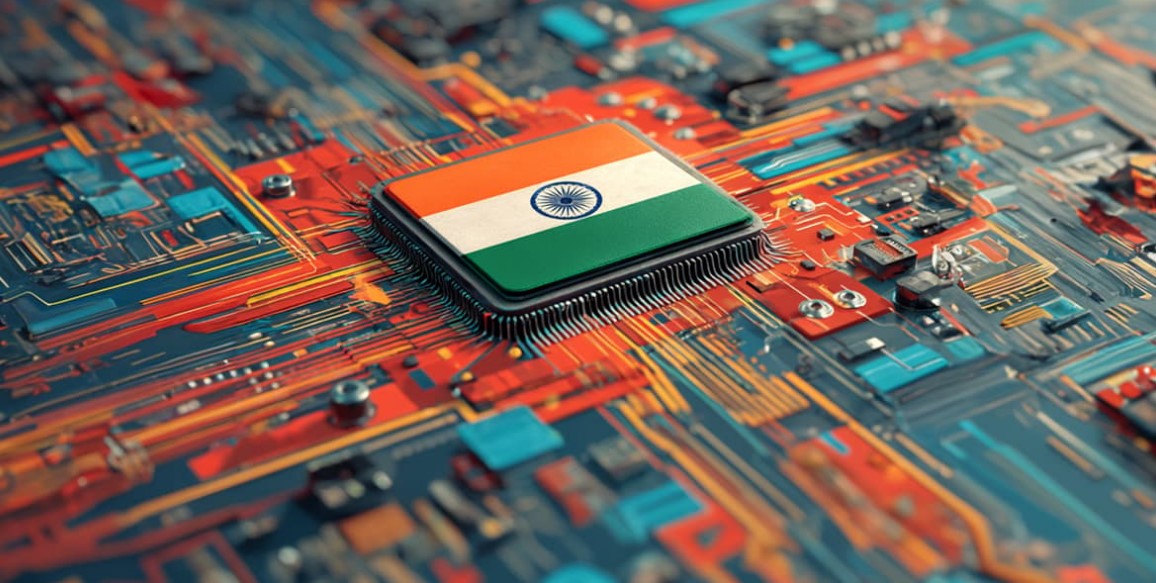
The new program targets gaps in the existing framework and encourages design, testing, and advanced packaging alongside fabrication.
What Semicon 2.0 Adds
The original scheme focused on building fabs. Semicon 2.0 broadens the scope. Semiconductor design firms, testing labs, and packaging companies now get financial support. This creates a complete domestic chip supply chain instead of a fragmented one.
India needs all these capabilities to compete globally. Approvals for these specialized operations were lagging.
Closing the Gap
Semiconductor demand in India stands at $54 billion in 2026. If government incentives continue, demand could surge to $350 billion by 2035. Semicon 2.0 is designed to capture that growth domestically instead of watching it flow to Taiwan, South Korea, and the United States.
The second-phase thinking shows India understands chip competitiveness requires more than brick-and-mortar factories.
Semicon 2.0 transforms India’s chip ambition from a fabrication play into a full-stack industry bet.
References
Government of India. (2026). Semicon 2.0 Approval Announcement. Ministry of Electronics and Information Technology, July 16, 2026.

Follow iNews Zoombangla On Google
Open the Google follow page and tap the checkmark option to receive more updates from iNews Zoombangla in your Google news feed.