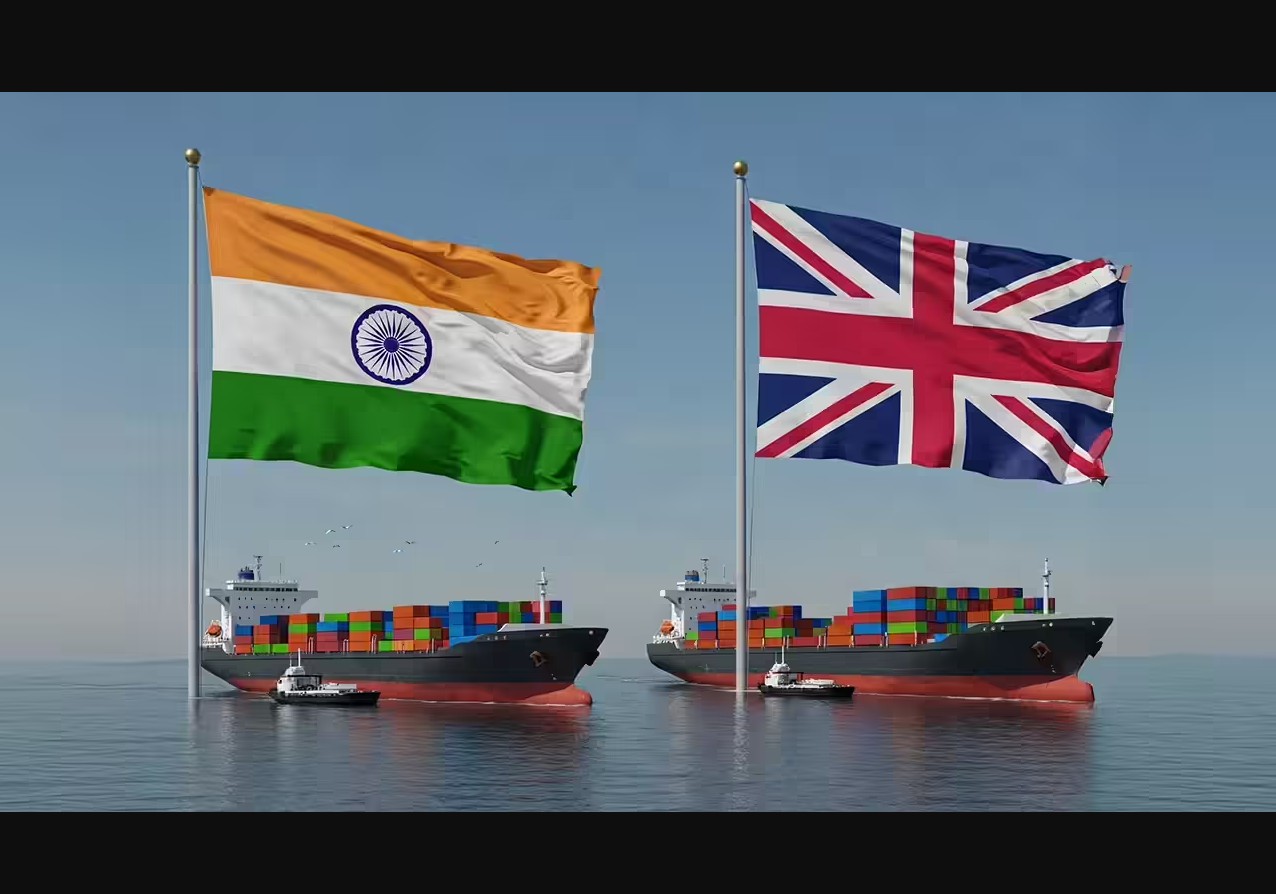
India and the UK signed their most comprehensive bilateral trade agreement, and it takes effect today. The Comprehensive Economic and Trade Agreement (CETA) delivers zero-duty access to nearly 99% of India’s exports to the UK, covering almost all trade value.
For nearly a decade, India and the UK negotiated this deal. It nearly collapsed several times. Today, July 15, it finally becomes law.
What changes starting today
Indian exporters get tariff-free access to the UK market. British firms do the same in India. This affects everything: leather goods, pharmaceuticals, textiles, agricultural products, engineering equipment. A British exporter of industrial machinery no longer faces duties when selling into India. An Indian textile manufacturer no longer pays tariffs on goods bound for the UK.
The deal promises long-term gains. Bilateral trade is forecast to increase by £25.5 billion annually once the agreement fully settles. For India, GDP rises by an estimated £5.1 billion per year. For the UK, it’s £4.8 billion.
Why this took so long
Trade negotiations between democracies are slow. Both countries had competing interests. India wanted dairy, spirits, and textiles. The UK pushed for technology, finance, and services. Negotiators worked through the pandemic, labor strikes, changes in government, and shifts in global trade sentiment. The deal that emerged reflects real compromise on both sides.
Beyond tariffs
The agreement includes a Social Security accord, effective the same day. Indian professionals working in the UK face fewer barriers. British retirees living in India get clearer pension rights. Travel, work visas, and professional credentials receive new recognition.
Also starting today: both governments committed to a roadmap for future agreements on data flows, services, and investment. This trade deal opens doors. It doesn’t close them.
What happens next
Implementation takes time. Companies need to update supply chains, understand new rules of origin, adjust pricing. Disputes will arise. Some sectors will boom while others face new competition. The agreement includes dispute resolution mechanisms. If either side feels wronged, there’s a formal process.
The real test comes in the next 18 months. That’s when we’ll know if the deal works in practice, not just on paper.

Follow iNews Zoombangla On Google
Open the Google follow page and tap the checkmark option to receive more updates from iNews Zoombangla in your Google news feed.