Apple has detailed the display construction of the iPhone Duo, giving the new foldable phone a more specific engineering story than a simple screen-size upgrade. The inner panel uses 10 ultrathin layers that work together when the device opens and closes.
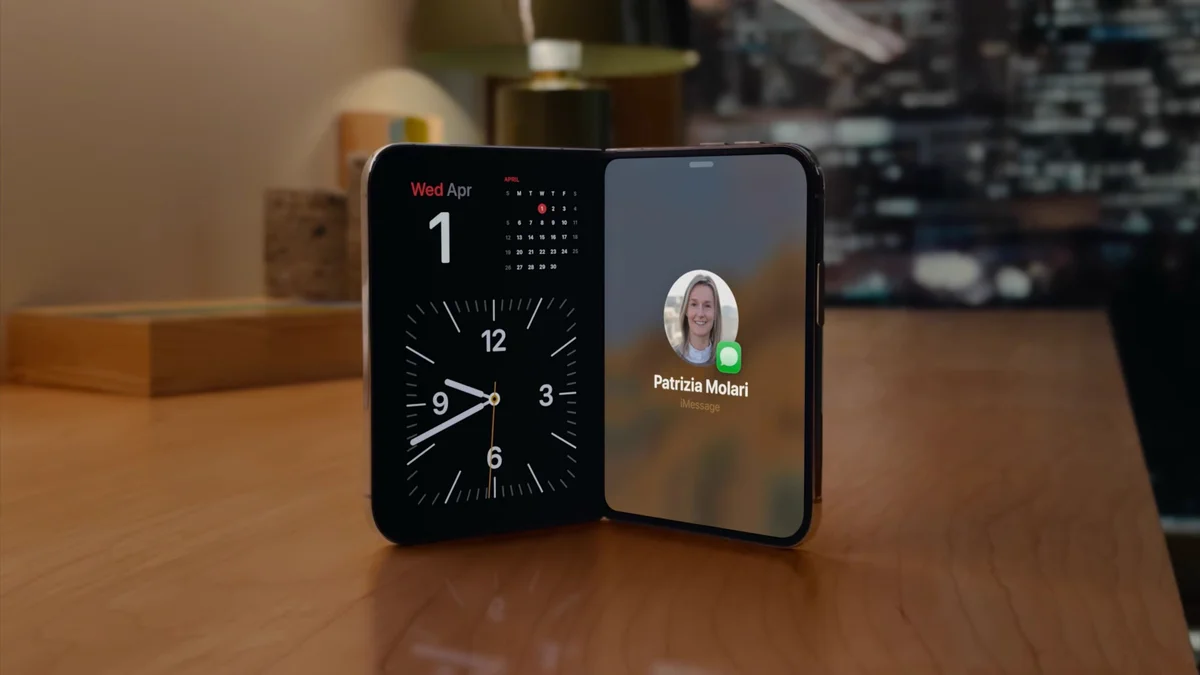
Apple says the top layer is a custom polymer with a nano-textured finish. The company says the material is up to 40 percent stiffer than other materials used in the industry. The texture is designed to reduce glare and make the central fold harder to notice.
The display stack also includes high-strength glass above and below the flexible panel. A titanium plate sits beneath the display. Apple says custom adhesives allow the layers to glide past one another like pages in a book, which reduces stress during folding.
Both the inner and outer displays support ProMotion, Always-On and True Tone. Apple lists peak outdoor brightness of up to 3,000 nits. The outer panel measures 5.4 inches, while the inside screen expands to 7.6 inches when the phone is open.
MacRumors reported that the nano-texture finish does not erase the fold completely. Its hands-on report found that the crease can still be seen under some lighting, although the surface feels flatter and the fold is less distracting than on many competing devices.
The two sources point to a practical trade-off. Apple is addressing glare, touch feel and bend stress at the same time, but it has not promised a permanently invisible crease or published a fold-cycle count for the hinge and display.
Apple says the hinge contains more than 100 components and uses support ribs beneath the panel. The design is intended to keep the screen balanced as the phone moves between open, closed and partly folded positions.
The iPhone Duo starts at $1,999 with 256GB of storage. Apple will begin taking preorders on October 16, with availability scheduled for October 23. These display details will be important for buyers who are weighing a large foldable screen against long-term durability.

Follow iNews Zoombangla On Google
Open the Google follow page and tap the checkmark option to receive more updates from iNews Zoombangla in your Google news feed.