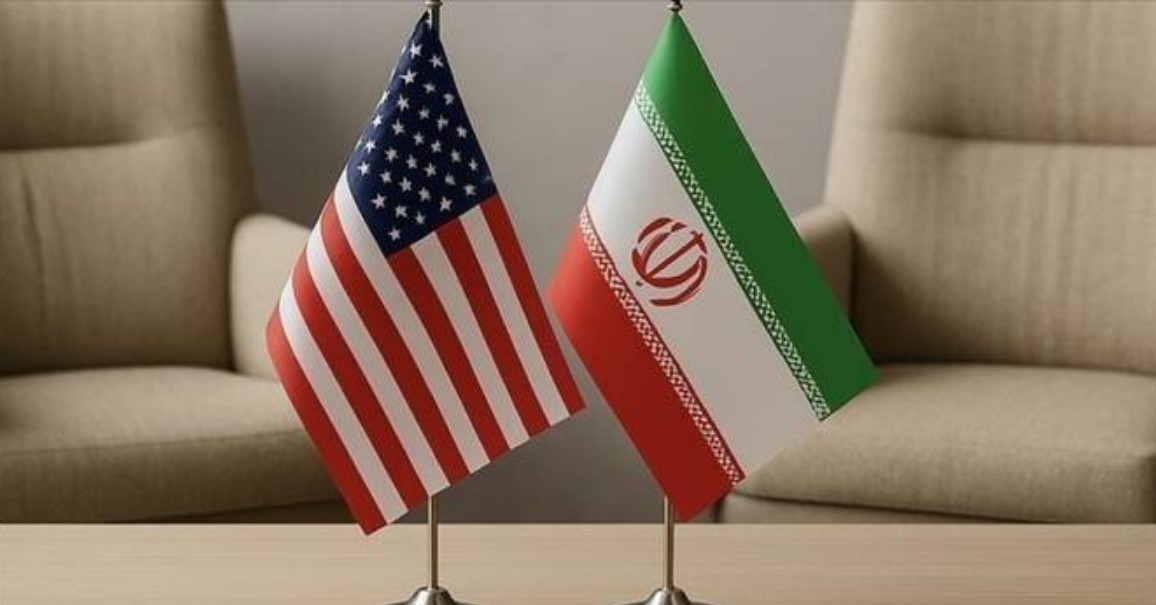
The United States and Iran have confirmed they will sign a formal agreement ending their monthslong war in Geneva on June 19, 2026, with both governments declaring an immediate and permanent halt to military operations on all fronts. The signing ceremony, brokered by Pakistan and Qatar, will take place at a venue in Switzerland, and President Donald Trump is weighing whether to attend in person.
Vice President JD Vance said Sunday that Trump could fly to Geneva for the ceremony, though the White House has not confirmed his attendance. Trump himself declared the deal “now complete” over the weekend and said the Strait of Hormuz, through which roughly 20 percent of global oil passes, would reopen to all shipping under its terms. Iran confirmed the deal and said the US naval blockade of Iranian ports would be lifted immediately upon signing.
The agreement was finalized after Qatari diplomats flew to Tehran on June 14 to bridge remaining gaps, with Pakistan serving as co-mediator throughout the process. Iranian officials in Islamabad had agreed on the text several days earlier, paving the way for the Geneva ceremony. The deal covers a mutual cessation of hostilities, the Hormuz reopening, and a 60-day window for follow-on nuclear talks.
Iran’s enriched uranium stockpile — estimated at 440 kilograms — will remain in place during the 60-day negotiating period. This provision drew criticism from some US lawmakers, who argued that allowing Tehran to keep its nuclear material intact weakens the deal. The White House framed the 60-day window as an opportunity to reach a broader nonproliferation agreement.
European nations including the UK, Germany, France, and Italy signalled they are prepared to lift some sanctions on Iran in exchange for verified steps on the nuclear program. That offer forms part of the broader diplomatic package surrounding the Geneva signing. Iran has not confirmed acceptance of the European conditions.
Oil prices have already fallen sharply in anticipation of the deal. Brent crude dropped more than 5 percent last week on news that Hormuz would reopen. Analysts at major banks warn, however, that a full recovery in oil flows through the strait could take several months even after the physical blockade is lifted, because ships, insurers, and tanker operators need time to resume operations in a region that has been a war zone since February 2026.
The signing comes as Iran faces its own internal political uncertainty. Supreme Leader Ali Khamenei died last month, and his son Mojtaba Khamenei has largely stayed out of public view as the country navigates the transition. Iranian state media has covered the peace deal cautiously, framing it as a diplomatic achievement rather than a capitulation.
Global leaders at the G7 summit in Evian welcomed the signing announcement. The accord represents one of the most significant diplomatic developments in the Middle East in years, and its durability will depend heavily on what the 60-day nuclear talks produce. The full text of the ceasefire agreement is expected to be made public after the United Nations Security Council receives a formal briefing from co-mediators Pakistan and Qatar.

Follow iNews Zoombangla On Google
Open the Google follow page and tap the checkmark option to receive more updates from iNews Zoombangla in your Google news feed.