Jamie Smith remains in Test focus as late-session rhythm becomes the immediate reading point. In the final phase of long-form matches, one controlled stretch can carry far more weight than many opening-hour moments. That is why readers keep checking how wicket, fatigue and concentration shape his contribution.
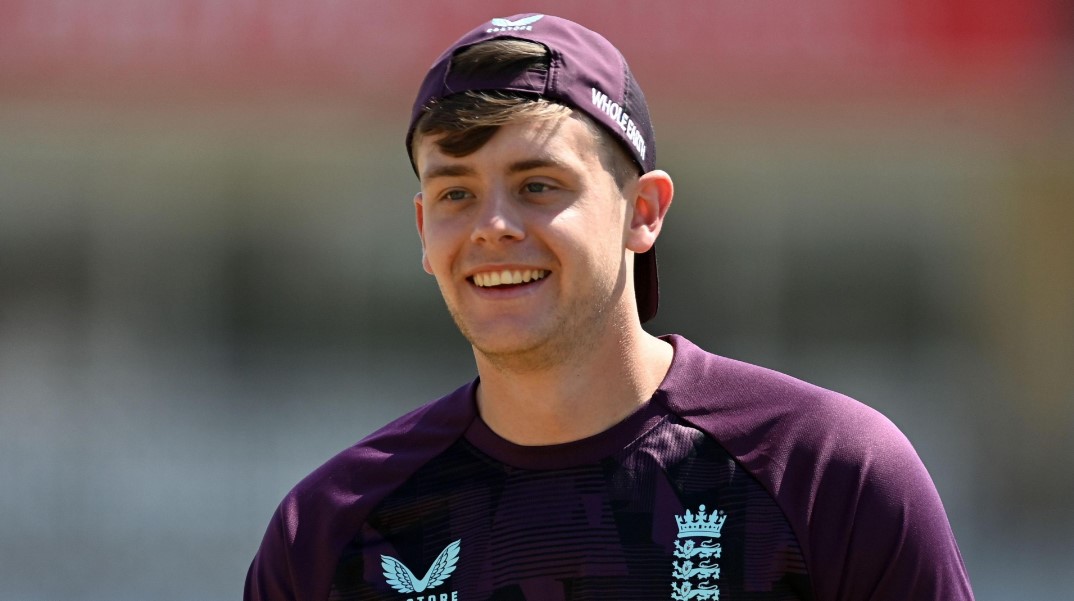
This is a practical window, not a career-wide profile. The article angle stays near execution: whether communication, control and timing hold when pressure tightens. Teams and supporters alike watch this because the final stage can make the direction of a match clearer very quickly.
Why composure matters most in late phases
Late sessions often require decisions made under accumulated pressure, with no margin for noise. A player who can hold discipline, rotate the strike and stay consistent in movement can add structure even without constant headline moments. That is the core reason Jamie Smith remains in focus around the session narrative.
He may not be the loudest story, but he is part of a practical pattern: calm structure versus rushed reaction. That pattern is what makes close-stage cricket watchable beyond the scoreboard.
What readers are tracking right now
Most readers now ask a narrow set of questions. Is rhythm steady? Is communication visible under pressure? Can the side reset quickly after a pressure burst? Those signals shape the immediate conversation without needing speculation.
That is why this is still current coverage: the match clock is short, and late-session decisions stay visible.
Test audiences are now making that final-day lens practical. They are not asking if one player is famous enough. They are asking whether the same discipline is still visible across two consecutive sessions, and whether communication remains clear when the scoreboard pressure rises.
That is why this angle keeps returning without exaggeration. A few controlled sessions can be enough for readers to decide whether one name should stay in close watch, then move out when the rhythm changes.

Follow iNews Zoombangla On Google
Open the Google follow page and tap the checkmark option to receive more updates from iNews Zoombangla in your Google news feed.