A federal appeals court has ruled that John Sarcone was not lawfully serving as the acting U.S. attorney for the Southern District of New York when he issued subpoenas to New York Attorney General Letitia James. The 2-1 decision by the U.S. Court of Appeals for the Second Circuit affirmed a lower-court ruling that challenged the validity of his appointment.
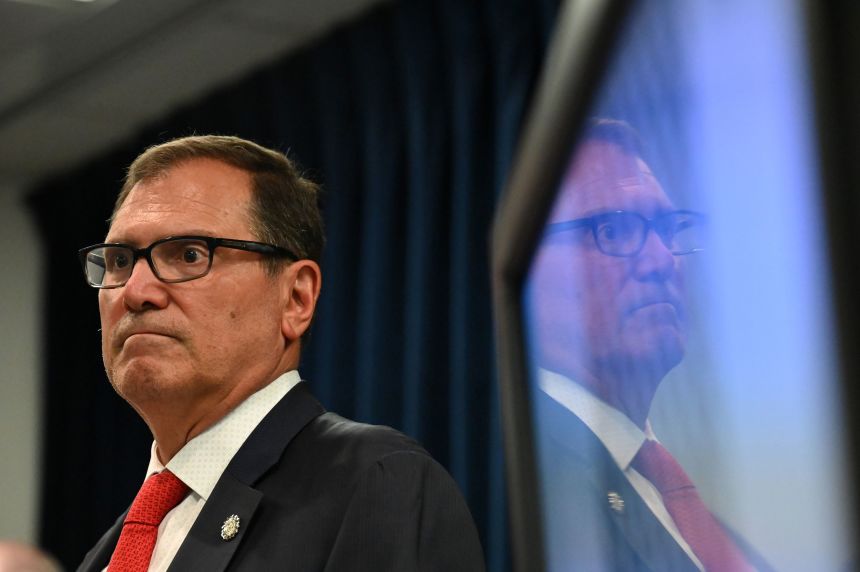
The dispute centered on the Federal Vacancies Reform Act, the law that governs who may temporarily perform the duties of certain Senate-confirmed federal offices. The court concluded that Sarcone did not validly hold the acting U.S. attorney position under the circumstances presented in the case. As a result, the subpoenas connected to the dispute were quashed and the disqualification ruling was upheld.
The ruling does not resolve the underlying political or legal arguments surrounding the investigation by itself. Instead, it focuses on whether the person exercising the authority of the U.S. attorney had the legal power to do so at the relevant time. That distinction is important because federal prosecutors often rely on the authority of the office when approving subpoenas, filings and other investigative steps.
CBS News reported that the Justice Department plans to appeal the decision. An appeal could ask the full Second Circuit or the Supreme Court to review the interpretation of the vacancies law, depending on the next procedural steps. Until then, the panel’s ruling remains a significant limitation on Sarcone’s authority during the period addressed by the case.
The Second Circuit’s opinion also illustrates why acting appointments can become a major issue in high-profile federal matters. Temporary appointments are designed to keep agencies functioning, but they must comply with statutory eligibility and time-limit rules. When those requirements are disputed, courts may examine the appointment before considering the merits of actions taken by the official.
The John Sarcone U.S. attorney appointment ruling therefore has two immediate effects: the challenged subpoenas cannot stand as issued, and the Justice Department must decide how to proceed while pursuing its planned appeal. Further filings will determine whether the appellate court’s interpretation changes or remains in force.