Biologists have confirmed the first established colonies of Manila clams along the Atlantic coast of the United States, marking the end of the Northern Hemisphere’s last Manila clam-free zone. The discovery in Cape Cod and Boston Harbor signals how invasive species keep finding their way into new ecosystems.
The clams were identified by researchers from UMass Amherst, MIT Sea Grant, and the Center for Coastal Studies. The investigation started with reports of odd clams around Provincetown in 2023. A researcher received a text from an undergraduate with a photo suggesting they might be Manila clams. It took another two years of testing to confirm the species had actually established itself.
Manila clams originated in Japan and the Pacific coast of Russia. Over the past century, they’ve spread across the northern hemisphere, likely hitchhiking in oyster shipments and through other commercial aquaculture. Now they’re at the Atlantic’s doorstep and thriving.
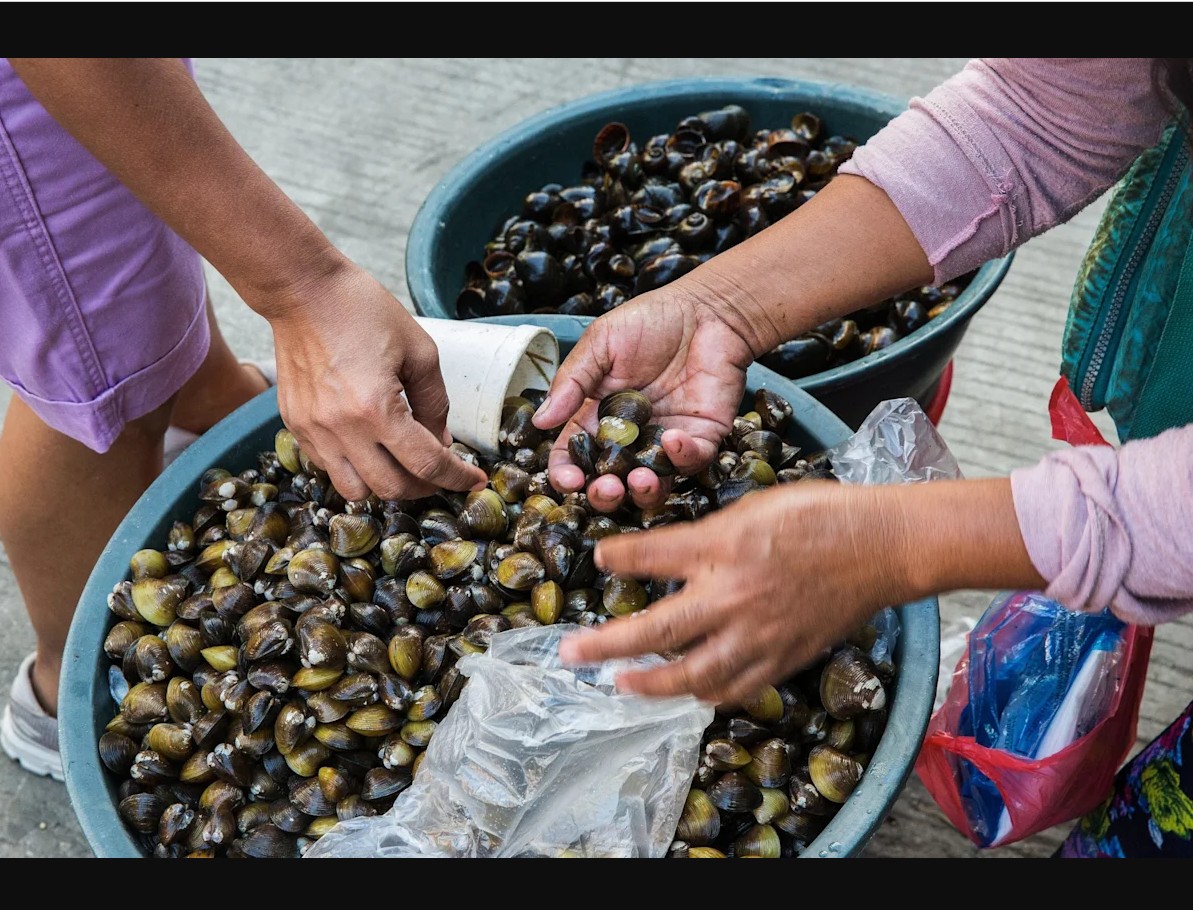
What They Eat and How They Compete
Manila clams are aggressive filter-feeders. They compete directly with native softshell clams for plankton and algae. In dense colonies, they alter the surrounding ecological community. They also hybridize with similar local species, complicating the native population.
But the invader isn’t all bad. Manila clams can become prey for herons and other predators, actually relieving pressure on native softshell clams that have been hammered by green crabs. In that sense, they might provide ecological breathing room.
Economics and Food Systems
Manila clams represent a $7 billion global industry. They’re prized in Asian cuisines and increasingly popular in restaurants worldwide. Some researchers see a silver lining: if Manila clams establish well enough, they could become a harvestable commercial species, creating new fishing opportunities along the coast.
That’s a big if. First, regulators need to understand how the population will grow. Scientists are monitoring the colonies carefully to see whether they expand northward or stay contained to Cape Cod.
The Manila clam invasion shows how interconnected modern seafood trade has become. One shipment of oysters can quietly change an entire coast.

Follow iNews Zoombangla On Google
Open the Google follow page and tap the checkmark option to receive more updates from iNews Zoombangla in your Google news feed.