Marcus Smart stays in the guard discussion because he represents a blend of aggression, decision clarity, and late-game steadiness. For basketball readers, this profile becomes useful whenever teams talk about how pressure can be managed in high tempo environments.
Many teams now need guards who can be both an initiator and a stabilizer, a balance that is difficult to find in a fast transition game. That is why the conversation around Smart stays visible even when the headline cycle shifts and new fixtures dominate.
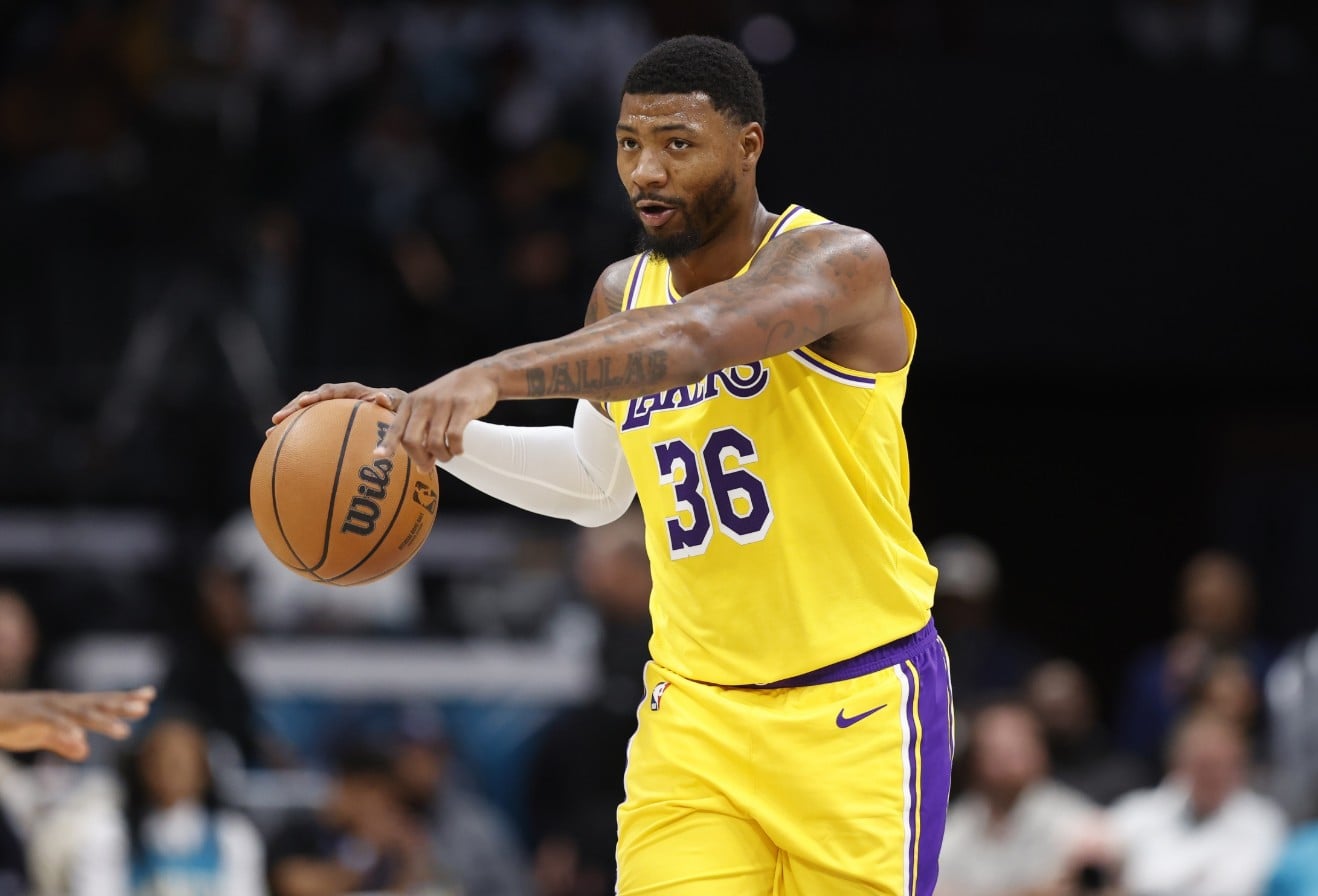
Why guard responsibilities are becoming more nuanced
Modern guard work is no longer about one skill lane. It is about controlling possession, defending transition threats, and still pushing attack at the right moments. A profile known for reading that rhythm is still highly useful for fans and coaches trying to explain team identity.
That practical question is one reason supporters revisit the name. Teams may trade systems, but role expectations remain. If a player can combine defensive reliability with quick tactical shifts, he remains part of the conversation regardless of short-term headlines.
Why readers relate to this angle
Most readers are not looking for a full technical breakdown every time. They follow one simple thread: who helps teams stay composed when matches tighten. Smart is tied to that thread because his style is easy to observe and easy to compare across game contexts.
Marcus Smart stays in the guard rhythm conversation because he continues to represent role clarity at moments when control is most needed. The link is practical: teams need direction, and this profile is a recurring reference for it.
This keeps coverage relevant as long as team shape is discussed beyond one-off scoring moments.

Follow iNews Zoombangla On Google
Open the Google follow page and tap the checkmark option to receive more updates from iNews Zoombangla in your Google news feed.