Spider-Man brand release cycles keep returning to audience feeds whenever new trailer moments or streaming calendars add a fresh reference point. The current watch is practical: which pieces are moving fans toward watch lists now, and which are still waiting for release context.
In entertainment coverage, this is now less about one fan moment and more about viewing rhythm. If trailers and short updates are timed well, the response can remain active across weekdays even before major release headlines start.
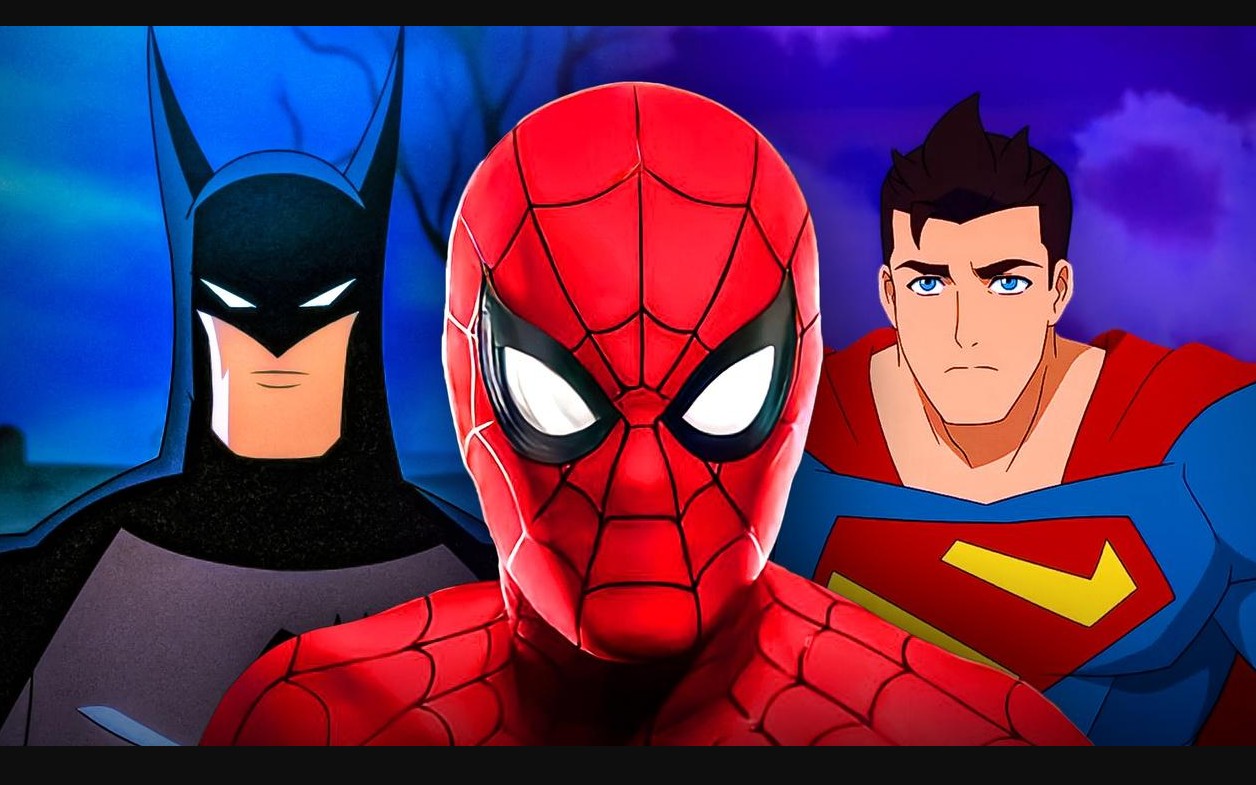
How trailer momentum affects audience planning
Fans usually decide quickly whether to set aside time based on two factors: clarity of what is happening and confidence of access. A sharp, short update can create attention without requiring a full release narrative.
That creates a practical cycle where audience chatter and watchlist choices move together. The brand momentum is less about speculation and more about how well the update fits viewer timing.
What to track before the bigger wave
For now, the likely value is in watchlist behavior. The strongest signal is not a single clip but whether users repeatedly return because the update made the next watch decision easier.
That keeps the Spider-Man cycle active in entertainment tracking without overblown framing.
Across fan groups, this entertainment cycle is being shaped by what people can watch next and how quickly they can move from trailer discussion to episode planning. A strong narrative mention can spark one reaction; repeat viewing windows decide the longer cycle.
That is why this remains visible right now: the update is practical, short-cycle and tied to audience behavior. Coverage is strongest when it explains why a title returns into routine planning, not just in broad franchise language.

Follow iNews Zoombangla On Google
Open the Google follow page and tap the checkmark option to receive more updates from iNews Zoombangla in your Google news feed.