Mike Tyson remains in public conversation as boxing fans and broader audiences revisit legacy debates around pressure, performance and media visibility. The conversation is practical because it helps readers understand how one athlete story can shape expectations around boxing coverage and legacy storytelling.
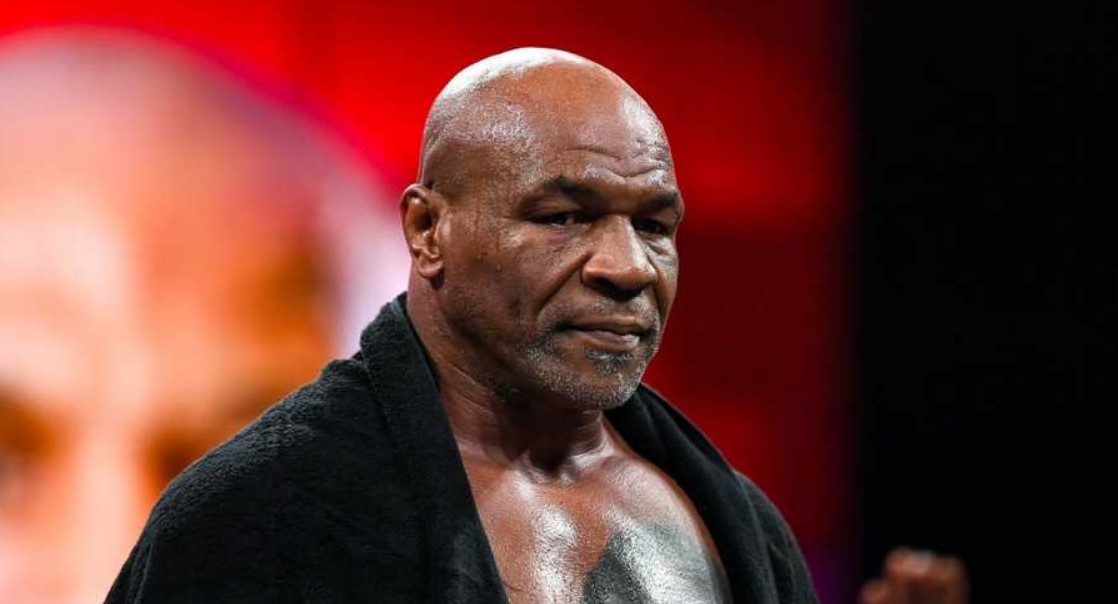
For readers, this is not only about one name from the past. It is about how sports memory influences todays debates on performance, persona and public interpretation. That lens makes the topic relevant when people compare older high pressure narratives with current expectations around media access and audience attention.
Why legacy figures remain active in sports coverage
Historic names provide a quick framework. They allow casual readers and long time fans to interpret a broader trend in one sentence: how pressure is managed, how media framing changes, and how career stories stay in public view. That shared framework keeps this coverage understandable and reusable in daily sports conversation.
At this stage, legacy reporting is not replacement for current fixtures. It is a companion lens that supports audience understanding of sport and culture in the same cycle.
What the audience is watching in this window
People are watching how sport and media lines blend in the same update cycle. One mention can affect streaming notes, social commentary and fan memory in one pass. That is why this topic keeps momentum even without a new event headline every hour.
Mike Tyson remains in conversation because his career still offers a practical case study in how legacy can shape audience response. The angle remains useful for readers who track sport and media culture together.