Netflix‘s gaming division posted surprising growth in mid-2026, with the streaming giant’s kids’ gaming app tripling its daily active player base since April. The Netflix Playground app saw engagement for kids’ mobile games surge 600% year-over-year, signaling that Netflix‘s second attempt at gaming may finally be gaining traction.
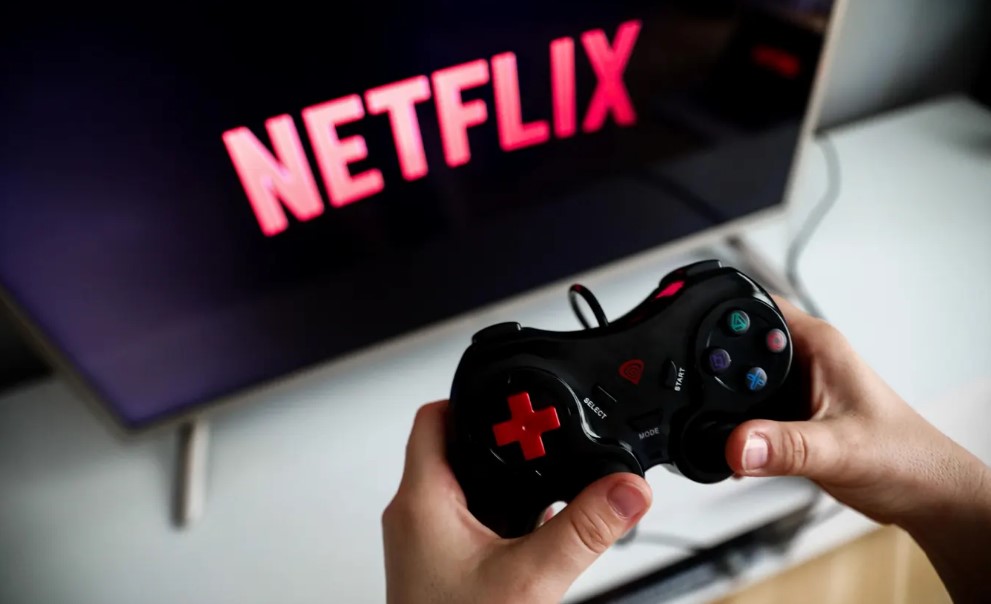
The turnaround came after years of mixed results, canceled titles, and strategic pivots. Netflix tried pure gaming for years, then cloud gaming, then casual titles. Now, segmenting by age group and focusing on franchise tie-ins—K-pop Demon Hunters, PJ Masks, Squid Game—the platform found its formula.
Cloud Gaming Success
Netflix’s cloud gaming lineup saw two “most successful” launches in June 2026: FIFA World Cup: Launch Edition and the horror game Unhinged. Both games let subscribers play on TV through streaming rather than downloads, removing friction for casual players who don’t want to manage storage on their devices.
Cloud gaming on TV works because it requires zero installation. Press play. The game streams. No waiting for downloads, no storage constraints. For Netflix’s subscriber base—used to frictionless content consumption—this model matches behavior patterns the platform has already trained audiences to expect.
Corporate Strategy Shift
During Netflix’s Q2 2026 earnings call, co-CEO Greg Peters outlined how the platform’s gaming initiatives were showing “massive signs of life.” This language matters. Gaming had been treated as a side experiment. Now, Netflix is positioning it as a core engagement driver.
Eight Netflix stars competed live in a FIFA World Cup tournament at Fanatics Fest in New York City on July 18, bringing competitive gaming into Netflix’s marketing arsenal. Celebrity tie-ins move games from niche hobby to mainstream entertainment.
Netflix’s gaming comeback shows that streaming platforms can own entertainment delivery across media types—if they stop forcing one business model and let the content find its natural form.