MotoGP coverage ahead of this weekend is shifting toward a practical test of grip management and confidence on the opening pace laps. Teams are watching tire life across long stints and how riders adjust entry points into the high-load corners where races often break momentum in quiet ways.
For racing audiences, this focus is useful because it turns weekend hype into understandable checkpoints. Riders who can hold speed with consistency usually do better in closing phases, while one unstable rhythm in early sessions can become a costlier correction on race morning. That makes setup data and rider feedback more visible in coverage.
Why tire behavior can set the weekend story
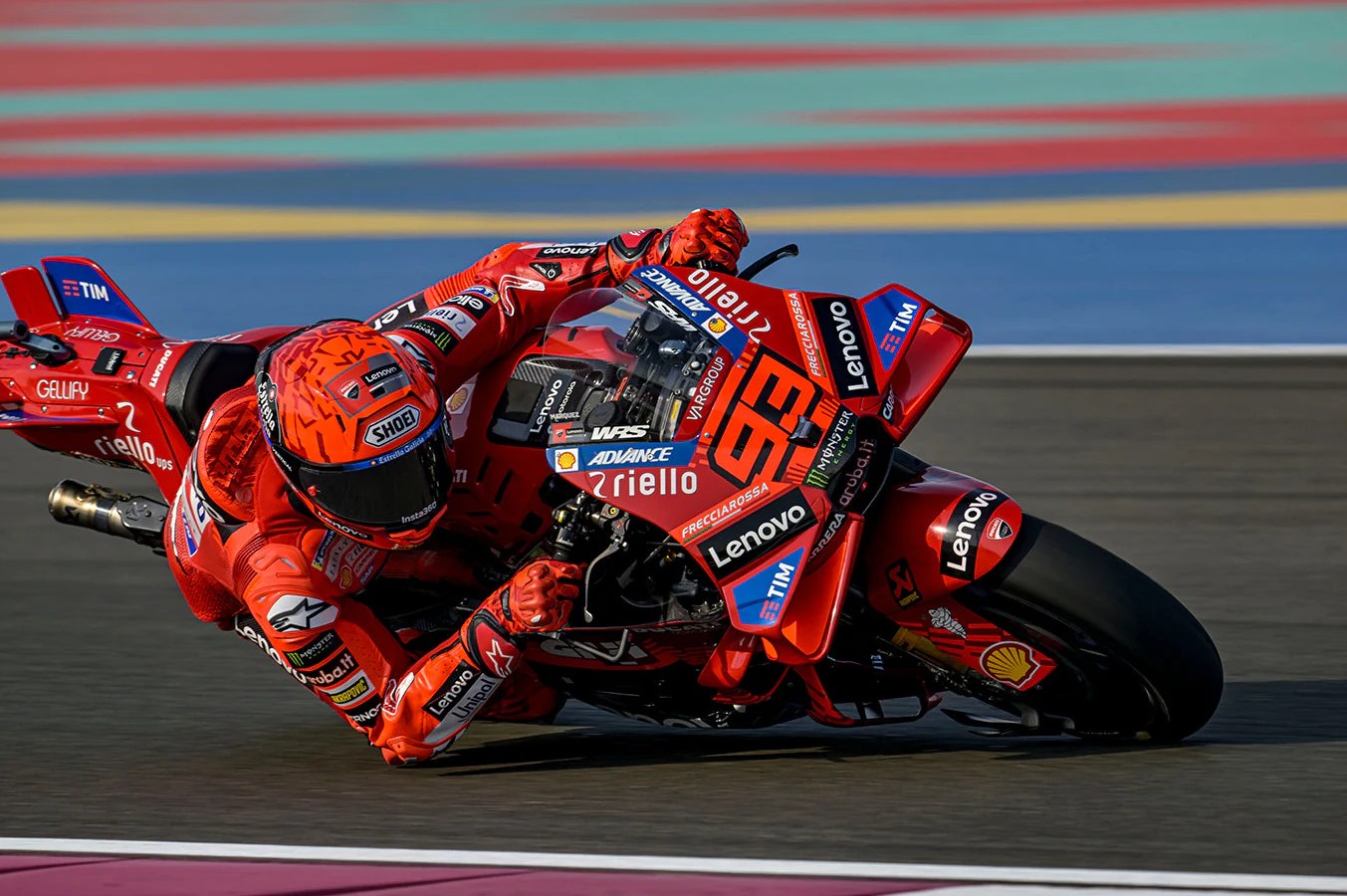
In motorcycle racing, corner confidence and thermal stability affect decisions from qualifying to final sprint windows. If tires cool unevenly, teams often adjust pressure and throttle aggression to reduce drop-off risk. If they stay predictable, riders can push for qualifying windows that improve grid control without panic-based corrections.
That technical layer is why fans are watching practice rhythm more closely. The weekend outcome is often built in these short sessions, and those sessions can reveal who has the patience and who is gambling in front of the gate.
What riders and fans will monitor on Saturday
For readers, the practical read is simple: if riders show cleaner corner exits with stable rear behavior, race management confidence rises. If setup changes keep moving, the narrative remains unstable. Either way, Friday sessions now decide more than just lap charts because they influence confidence and final strategy across all teams.
This is the part of MotoGP that rewards close watching and explains why the weekend remains fresh in sports coverage even before the first podium.
When sessions move from Friday into Saturday runs, rider confidence can change quickly with small setup moves. That is why this type of window stays practical: teams can read the same weekend differently every hour, based on tire feedback and corner exit behavior. It also explains why fans keep checking the same heading repeatedly as conditions evolve and not just once.

Follow iNews Zoombangla On Google
Open the Google follow page and tap the checkmark option to receive more updates from iNews Zoombangla in your Google news feed.