The phrase “nepal floods flash floods” is drawing renewed attention after authorities warned residents of possible new flooding while rescue crews continued working in communities hit by Wednesday’s disaster. The Associated Press reported on August 30 that water levels rose in the Bhotekoshi River and that warning notices were sent to people’s phones. Crews were also clearing a major highway connecting Kathmandu with one of the worst-affected areas.
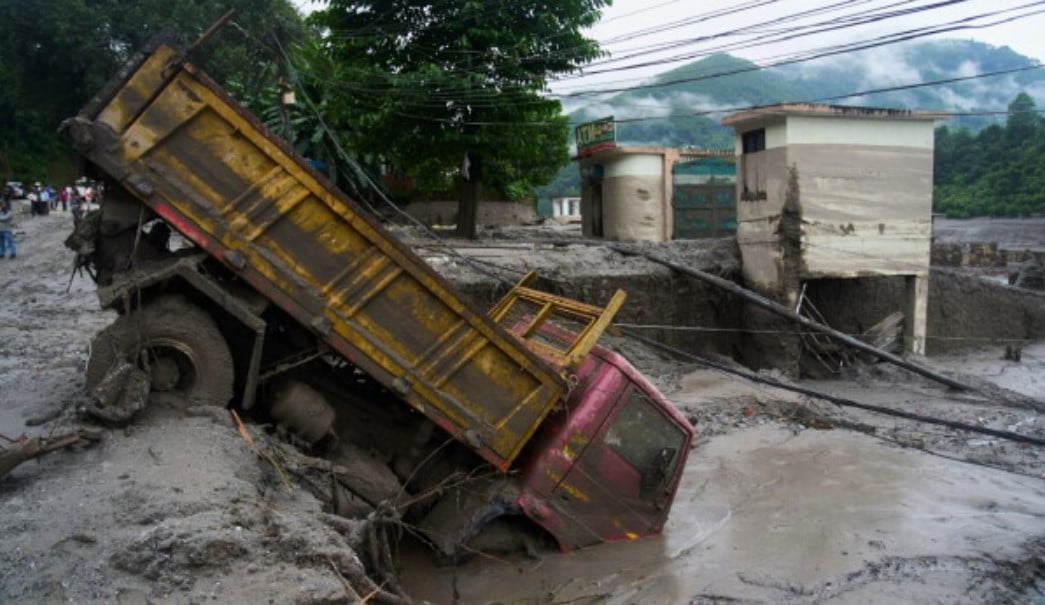
AP reported that the combined toll in Nepal and Tibet had reached 750 dead and more than 3,000 people missing after the latest updates. Nepal’s disaster agency put Nepal’s death toll at 734, with 2,498 people missing, while Chinese authorities reported 16 deaths and 546 missing. The figures cover a fast-moving emergency, and totals may change as authorities identify victims, reconcile lists and reach isolated settlements.
The warning came after Chinese authorities told their Nepalese counterparts that water flow was increasing upstream, according to Dharam Raj Uprety, chief executive of Nepal’s National Disaster Risk Reduction and Management Authority. The development adds a new operational problem for teams already trying to reopen roads, locate missing people and move residents away from river corridors. Phone alerts can widen the warning system, but residents in affected villages have also reported receiving repeated alarms that are difficult to interpret.
The World Health Organization said the August 26 flash floods affected parts of central Nepal, including communities along the Bhote Koshi and Trishuli river corridors. Rasuwa, Nuwakot, Dhading and Chitwan in Bagmati Province, together with Gorkha and Tanahun in Gandaki Province, were listed among the affected districts. Nepal declared 15 municipalities in those districts disaster crisis-affected areas for three months.
WHO said the sudden surge in Rasuwa may have been linked to an upstream ice avalanche and temporary damming of the Lhende River, although assessments were still under way. The agency warned that displacement, crowded shelters, damaged water and sanitation systems and interrupted health services can increase risks of diarrhoeal and respiratory illness, unsafe water and food, injuries, vector-borne disease and mental-health needs. Emergency Medical Teams were sent from Kathmandu, while the Health Emergency Operation Centre activated health-sector coordination.
A Nepal Red Cross situation report published on August 27, citing an earlier NDRRMA update, recorded 157 deaths and 826 people missing at that stage, along with 165 bodies awaiting identification. It also listed damage to 35 motorable bridges, 45 suspension bridges and 40 kilometres of road. The differing snapshots show why the response depends on continuous verification. For residents, the immediate advice remains practical: follow official alerts, avoid damaged roads and riverbanks, and seek instructions from local authorities as rescue and health teams update the situation.

Follow iNews Zoombangla On Google
Open the Google follow page and tap the checkmark option to receive more updates from iNews Zoombangla in your Google news feed.