Organizers of the No Kings movement brought demonstrations to more than 2,100 locations across the United States on Sunday, staging what they called the latest wave of resistance to what they describe as authoritarian tendencies in the Trump administration. The protests fell on June 14, President Donald Trump‘s 80th birthday and Flag Day.
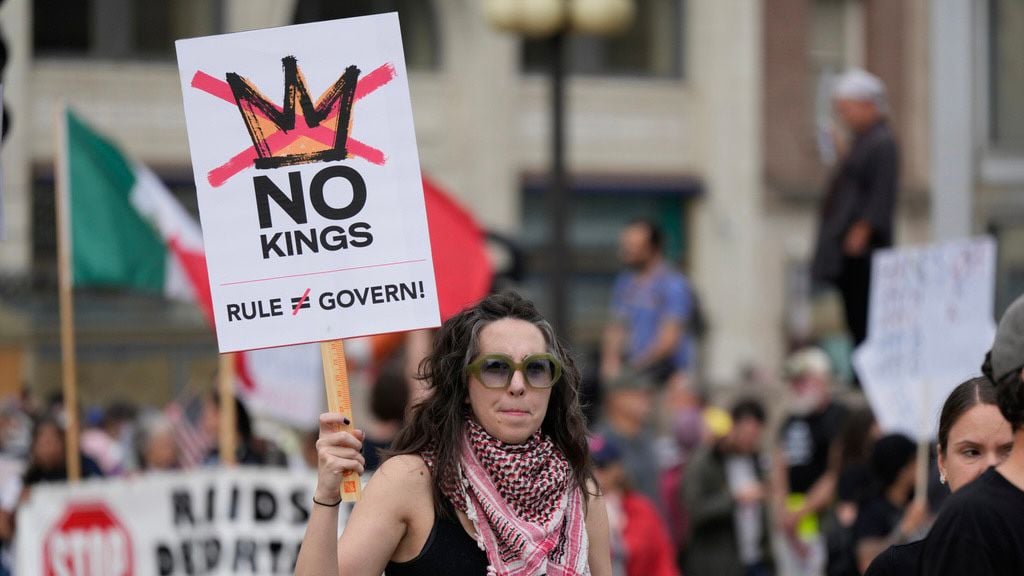
Major demonstrations took place in New York, Chicago, Los Angeles, Philadelphia, Atlanta, and dozens of smaller cities and towns. Organizers said the events ranged from marches and rallies to local gatherings and watch parties tied to a concert held in New York. Crowd estimates were not immediately available, but organizers said early turnout figures suggested high participation across the country.
The No Kings movement has staged several rounds of protests since early 2026. A March 28 demonstration drew an estimated eight million participants across more than three thousand locations, making it one of the largest single-day protest actions in modern American history. Sunday’s wave was smaller in scale but was designed to coincide with what organizers called a day of contrast between Trump’s celebration and their vision of democratic accountability.
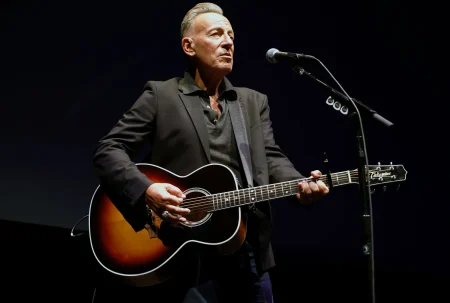
The centerpiece event in New York was a ninety-minute concert called Rise Up, Sing Out, staged at The Town Hall and billed as a defense of the First Amendment. Performers included Bette Midler, Patti Smith, Rufus Wainwright, and Jane Fonda. The event was streamed nationally, with several hundred local watch parties organized around the country.
The White House did not comment on the protests. Trump’s team pointed to the UFC Freedom 250 event on the South Lawn as the proper way to mark the day, framing his birthday as a national celebration tied to America’s 250th anniversary. Organizers of the No Kings movement disputed that framing and said the demonstrations were peaceful expressions of political disagreement.
The previous round of protests in March had drawn fresh attention to concerns about press freedom, judicial independence, and the scope of executive power. Sunday’s protests added the Iran war and its handling to the list of grievances cited by speakers at events across the country. The Iran ceasefire process has been a flashpoint for criticism from some Democrats who say Trump misled the public about the war’s end.
Progressive organizations including 50501 and Indivisible coordinated logistics for the demonstrations. Law enforcement agencies in major cities said preparations were in place and that no significant violence was anticipated, though police in some cities issued guidelines for march routes and crowd management. The broader civil liberties debate has intensified in recent months, giving the protests fresh momentum.
The timing of the protests alongside the G7 summit in Evian and the expected Iran peace deal signing drew international attention to American domestic politics at a moment when the administration is projecting confidence on the world stage. Critics said that contrast was exactly the point. Supporters of the movement said they intend to maintain pressure regardless of diplomatic developments. Related demonstrations took place in several European cities, including London and Berlin, in solidarity with civil liberties advocates in the United States.

Follow iNews Zoombangla On Google
Open the Google follow page and tap the checkmark option to receive more updates from iNews Zoombangla in your Google news feed.