President Donald Trump declared on Wednesday night that the United States has ended its war with Iran. “Today we settled up with Iran. We made a great deal,” Trump said during a tele-rally in Alabama. The announcement came after weeks of stop-and-start negotiations that repeatedly fell apart.
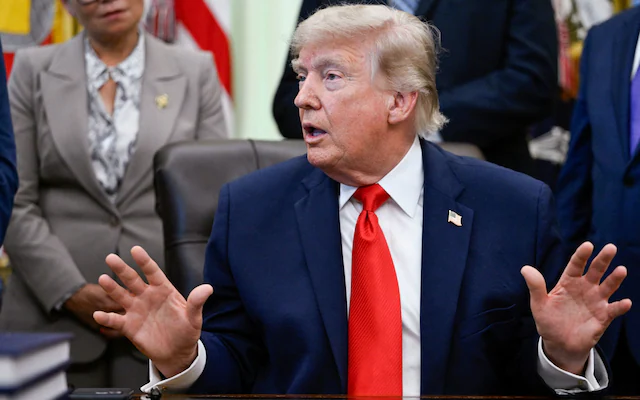
Vice President JD Vance is expected to travel to Europe within days to sign a memorandum of understanding with Tehran. Senior envoys Steve Witkoff and Jared Kushner will accompany him. Trump said he would not attend the ceremony himself but would follow the signing closely from Washington.
The proposed agreement would extend the current ceasefire by 60 days. During that period, the two sides would open formal nuclear talks. Under the terms Trump described, Iran would reopen the Strait of Hormuz to commercial shipping the moment the document is signed. Sanctions relief would follow in phases tied to Iranian compliance.
Iran has not confirmed the text. A source close to Tehran’s negotiating team, cited by IRGC-affiliated Fars news agency, said Iran had not approved any final agreement as of Thursday morning. The Foreign Ministry separately called reports of a finalized deal “merely speculation.” Trump acknowledged it would likely take a few more days to complete.
Israeli Prime Minister Benjamin Netanyahu said Israel was not a party to the deal. Israel agreed to halt its own strikes on Iran at Washington’s request, but Netanyahu warned it would resume military action if Tehran fired again. Israel has carried out independent operations against Iranian targets and Hezbollah forces in Lebanon throughout the conflict.
Oil markets reacted quickly. Brent crude fell toward $98 a barrel from recent highs near $105 as traders priced in the prospect of the strait reopening. The waterway carries roughly a fifth of the world’s daily oil and gas supply. Its closure in late February set off the energy shock that drove oil toward $150 a barrel and pushed US consumer inflation above 4 percent for the first time in three years.
The war began after US and Israeli forces launched coordinated air strikes on Iranian targets. Iran closed the strait in retaliation and struck American bases and Gulf allies. The conflict rattled global supply chains, drove up energy costs, and triggered a defence spending surge across Europe. The ILA Berlin Air Show last week drew record orders as the conflict reshaped defence priorities worldwide.
Any lasting deal will require agreement on the scope of Iran’s nuclear programme. That question has derailed negotiations for more than two decades. A ceremony was expected somewhere in Europe this weekend, though no country had been named. Pressure from India and other nations whose nationals were killed in US strikes on commercial vessels has added urgency for Washington. The White House said the president remained closely involved in the final stages of the agreement.

Follow iNews Zoombangla On Google
Open the Google follow page and tap the checkmark option to receive more updates from iNews Zoombangla in your Google news feed.