Nvidia kicked off the next generation of AI with the Rubin platform, comprising six new chips designed as one AI supercomputer. Full production began in June 2026, with Rubin-based products available from partners in the second half of 2026. This is Nvidia’s bet on what AI infrastructure looks like after Hopper and Blackwell scale.
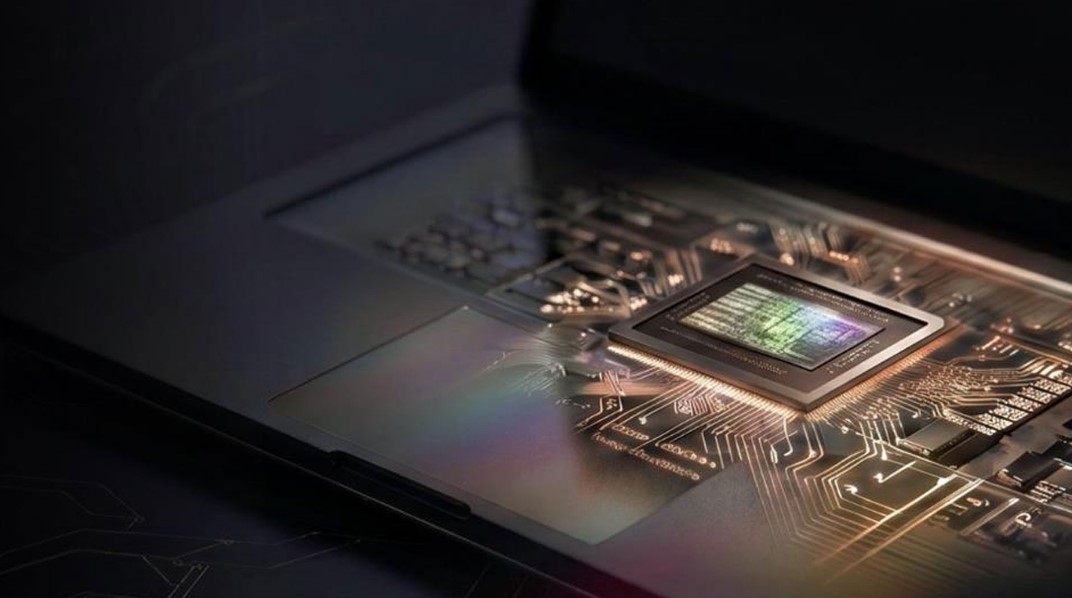
Alongside Rubin, Nvidia unveiled RTX Spark—a consumer PC superchip combining CPU and GPU on the same system-on-chip. RTX Spark pairs Blackwell GPU with a MediaTek CPU. Windows laptop and desktop manufacturers will debut RTX Spark machines in fall 2026. Nvidia is effectively saying the CPU-GPU split on consumer hardware is ending.
What This Means for Data Centers
Rubin is production-scale. Companies won’t wait to deploy it. If you’re training large models or running inference at scale, Rubin is the path forward. Six chips give manufacturers options for different workload profiles rather than a single solution.
The data center play is clear: own the full stack from chips to software. Nvidia did this with Hopper. Rubin is the refinement.
What This Means for Laptops
RTX Spark in consumer PCs signals that AI workloads move from cloud-first to edge-first. Running models locally on your laptop eliminates API calls, reduces latency, and keeps data off remote servers. That matters for privacy and speed.
The Groq 3 LPU, shipping in the second half of 2026, targets inference specifically. Liquid-cooled LPX racks with 256 LPUs each and 128GB on-chip SRAM per LPU become the next inference frontier.
The Architecture Shift
Three years ago, AI meant cloud APIs. Now it means choice: run locally on Spark, run in the cloud on Rubin-based systems, or run specialized inference on Groq. Nvidia built products for all three.
That’s vertical integration. Competitors call it a moat.
When one company ships the CPU, GPU, data center chip, consumer chip, and inference accelerator, they’re not making components—they’re making the entire AI era.

Follow iNews Zoombangla On Google
Open the Google follow page and tap the checkmark option to receive more updates from iNews Zoombangla in your Google news feed.