Crude oil prices fell sharply in early Monday trading after the United States and Iran announced their peace agreement and confirmed the Strait of Hormuz would reopen. Brent crude dropped as much as 4.9 percent to $83.05 a barrel. US West Texas Intermediate fell 5.7 percent to around $80 a barrel.
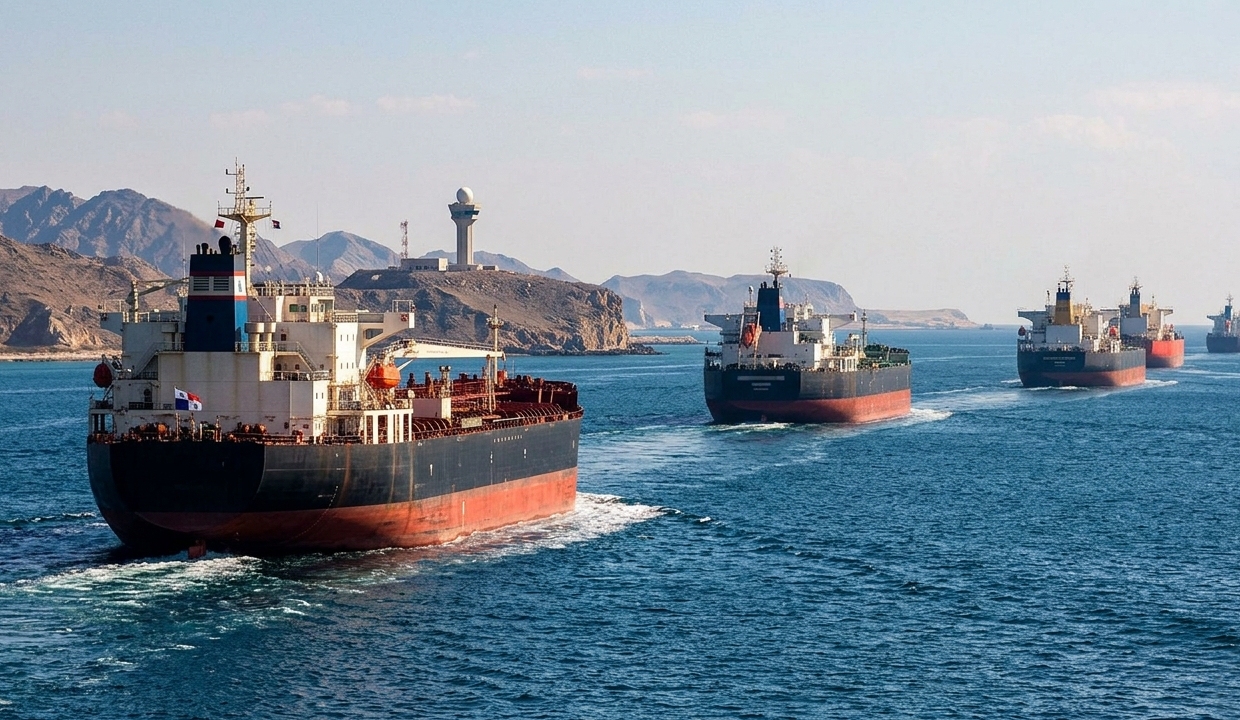
President Trump signed an order on Sunday authorising the immediate removal of the US naval blockade from the strait, the narrow waterway connecting the Persian Gulf to the Arabian Sea. Roughly one-fifth of the world’s daily oil supply passes through the Hormuz corridor. Iran had closed the strait in the early weeks of the conflict, triggering a price spike that sent Brent crude above $94 a barrel in mid-May.
The drop on Monday reflects how much of the conflict premium had already been building into energy markets. Prices had already eased somewhat in the days before the deal was announced, as reports of talks in Islamabad began circulating. The confirmation of a signed agreement and an ordered blockade removal pushed prices lower still.
Analysts said the fall reflects optimism about a quick resumption of maritime traffic rather than a full accounting of the supply situation. Ships loaded with crude oil have been trapped in the Persian Gulf for more than three months, unable to safely navigate through the strait. Insurance coverage for tanker voyages through the region remains suspended, and underwriters are not expected to move quickly once the blockade formally lifts.
G7 leaders meeting in Évian, France, put pressure on both sides to accelerate the physical reopening of the route. France’s President Emmanuel Macron said the summit’s priority was to see the consequences of the peace agreement translate into lasting access to the strait and lower energy costs for importing nations. European governments have been dealing with elevated heating and transport costs since the Hormuz closure began.
Oil producers in the region also face the challenge of restarting production lines that were idled or damaged during the conflict. Saudi Arabia, which had ramped up output to compensate for lost Iranian supply, now faces the prospect of prices falling further if Iranian barrels return to market quickly.
The ABC News report on energy expert assessments noted that even with the blockade lifted, it could take six months or more before global oil supply fully normalises. The physical damage to port infrastructure inside Iran, combined with the insurance gap, means the practical effects of the deal on supply will lag well behind the market reaction. Refiners and shipping firms were watching for the first confirmed tanker movements through the reopened strait before making firm commitments on cargo volumes.
Traders were also monitoring next week’s Federal Reserve meeting, scheduled for June 16 and 17, where rates are widely expected to remain on hold at 3.5 to 3.75 percent. The combination of falling oil prices and a Fed pause may ease some of the inflation pressure that has kept consumer prices elevated since early in the year.

Follow iNews Zoombangla On Google
Open the Google follow page and tap the checkmark option to receive more updates from iNews Zoombangla in your Google news feed.