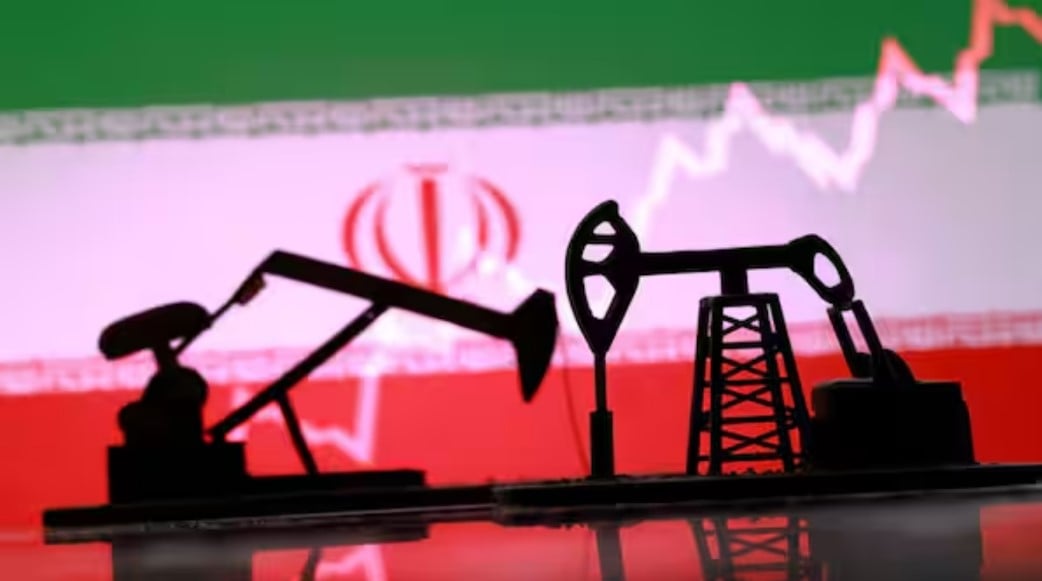
Oil prices fell more than three percent on Friday as reports of an imminent Iran-US peace agreement raised expectations that the Strait of Hormuz could reopen within weeks and that Iranian crude would return to world markets. Brent crude dropped toward $87 a barrel in afternoon trading in London, down from a peak above $94 hit in late May at the height of the conflict.
Traders said the price movement reflected growing confidence that the ceasefire is genuine rather than a false dawn. Earlier rounds of peace talk optimism had produced smaller price dips that reversed quickly when negotiations stalled. This time, the confirmation by Pakistan that both sides had agreed the full text of the Islamabad Declaration drove a sustained sell-off in energy markets.
The Strait of Hormuz has been closed since Iran mined it in March. The closure cut off roughly twenty percent of global daily oil supply from world markets and triggered one of the sharpest energy price spikes in recent years. Europe and Asia, which depend heavily on Gulf oil, bore the brunt of the supply disruption. US consumers also saw gasoline prices rise sharply through March and April.
Under the terms of the Islamabad Declaration, Iran agreed to reopen the strait within thirty days of signing. Britain and France are preparing to lead a naval demining mission, with more than thirty-five nations contacted to join the coalition. Analysts said the actual reopening of the strait to commercial traffic could take between four and eight weeks depending on the extent of the mining and the pace of clearance operations.
A full reopening of Iranian oil exports would add several million barrels per day to world supply. OPEC members, several of which ramped up production to partially compensate for lost Iranian barrels, are expected to reduce output once Iranian supply returns. The net effect on prices is expected to be a continued decline toward pre-war levels, with analysts forecasting Brent crude returning to the low-to-mid eighties by the end of the summer if the deal holds.
Natural gas markets in Europe also eased Friday. The disruption to shipping through the Persian Gulf had raised spot LNG prices across Asia and Europe as tankers were rerouted around Africa. A return of normal Gulf traffic patterns would reduce shipping costs and lead times, with knock-on benefits for European energy prices heading into winter.
Equity markets reacted positively. Airline and shipping stocks, which have been under pressure for months, rose Friday in New York, London, and Hong Kong. Energy company shares fell as lower oil prices squeezed margins, but the broader market move was upward. Economists said the inflationary impact of the oil shock should ease significantly over the next quarter if the ceasefire holds. Emerging markets that were hit hardest by the supply disruption stood to benefit the most from a price correction. The US inflation picture may also improve if energy prices sustain their decline through the summer months.

Follow iNews Zoombangla On Google
Open the Google follow page and tap the checkmark option to receive more updates from iNews Zoombangla in your Google news feed.