OpenAI launched GPT-Live on July 8, bringing a new generation of voice models to ChatGPT. The system works full-duplex, meaning it can listen and speak at the same time, making conversations feel far more natural.
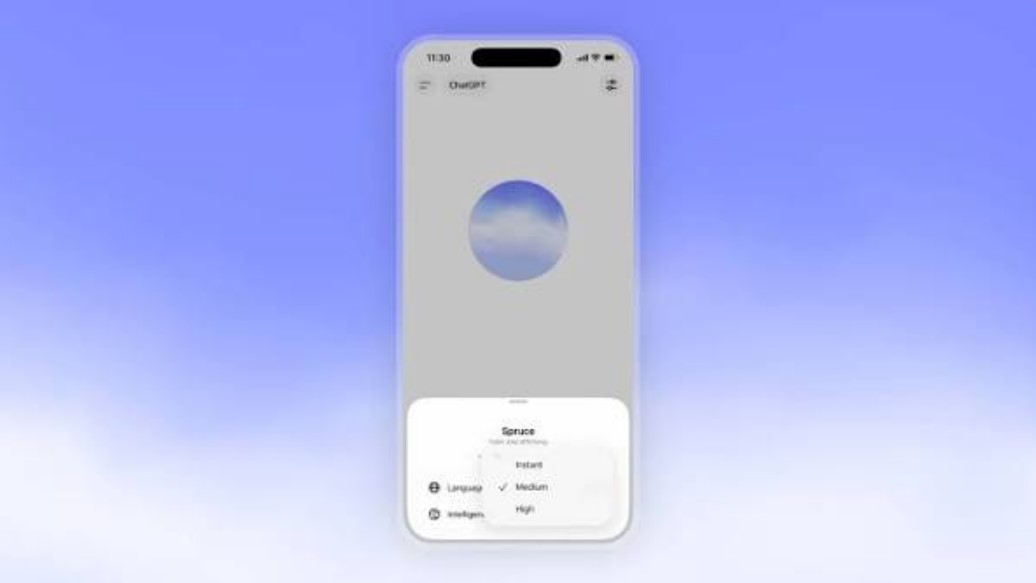
Instead of waiting for you to finish and then responding, GPT-Live engages in quick back-and-forth exchanges. It can acknowledge what you’re saying with natural interjections like “mhmm” or “yeah,” and it knows when to stay quiet so you can think.
How It Works Under the Hood
Two variants are rolling out to ChatGPT users: GPT-Live-1 for paid subscribers and GPT-Live-1 mini for free users. At launch, both use GPT-5.5 in the background for day-to-day questions. When you ask something that needs web search, deeper reasoning, or complex analysis, the system delegates to the latest frontier model and brings the answer back into the conversation when ready.
The technical shift represents a fundamental change in how AI conversations work. Instead of the query-response cycle that has defined chatbots for years, GPT-Live treats dialogue as a continuous stream.
What This Means for Users
Developers and enterprises can sign up to be notified when GPT-Live comes to the API. For business applications, this opens possibilities for customer service, research assistance, and interactive workflows that feel less like talking to a machine and more like consulting with someone who’s actually listening.
The rollout is happening globally across ChatGPT, with the mini version targeted at the free tier. This positions voice interaction as the default experience rather than a secondary feature.
Voice AI is moving from novelty to expectation. OpenAI’s full-duplex approach sets a new baseline for what natural conversation with AI should feel like.

Follow iNews Zoombangla On Google
Open the Google follow page and tap the checkmark option to receive more updates from iNews Zoombangla in your Google news feed.