OpenAI’s Jalapeño chip is attracting new attention as the company publishes early inference results and the semiconductor press examines what the custom hardware could mean for AI workloads. OpenAI said its first custom inference chip was tested through the InferenceX public benchmark, while Tom’s Hardware reported the company’s claim that the platform compared favourably with Nvidia’s GB300 in selected tests.
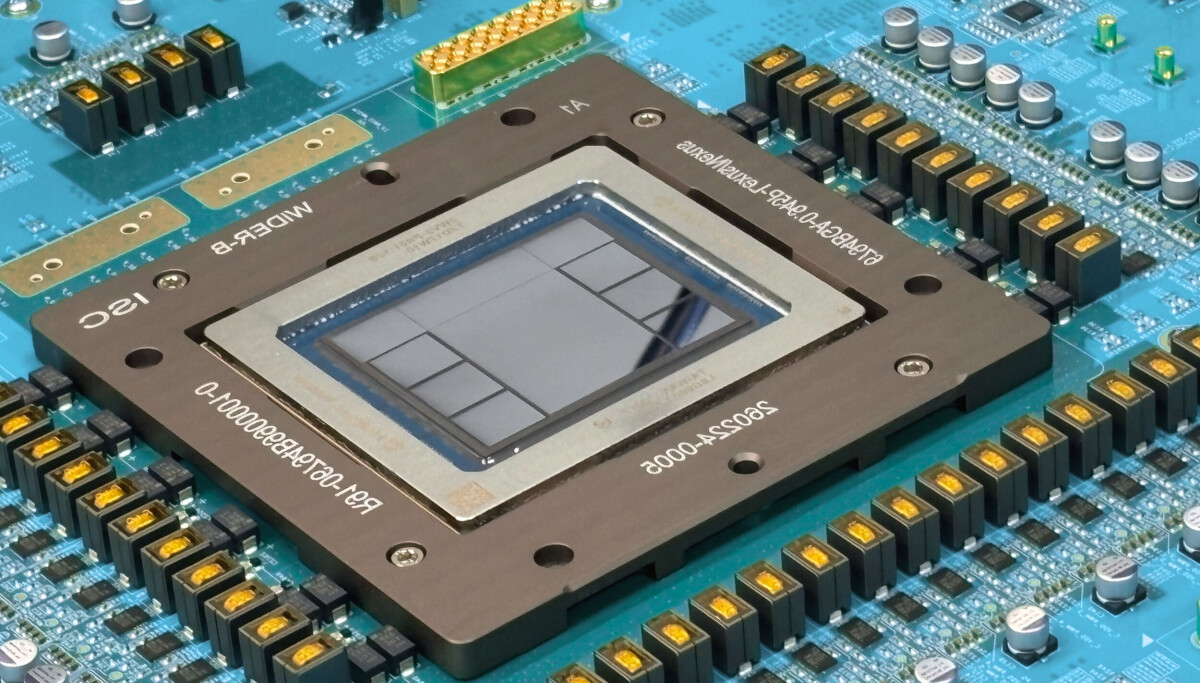
The central issue is inference: the work performed after a model has been trained, when a service generates an answer for a user or application. Faster inference can reduce latency and increase the number of requests handled by a data centre, while better efficiency can lower the cost of serving each request. Those gains matter to AI providers operating at very large scale.
OpenAI’s announcement describes testing on open-source models and presents the chip as part of a broader multi-generation hardware effort. The company’s own benchmark selection is useful for understanding what it measured, but it remains a vendor-published result. Tom’s Hardware’s report adds outside scrutiny and notes the power and comparison context, so readers should not treat the early figures as a universal ranking.
Custom silicon also changes the relationship between software and infrastructure. A chip designed around a provider’s model-serving requirements may sacrifice general-purpose flexibility in exchange for targeted throughput, memory movement or latency characteristics. That trade can be attractive when workloads are predictable, but it can become a limitation if models, batch sizes or numerical formats change quickly.
The competitive significance will depend on availability, manufacturing scale and the total cost of ownership rather than on a single chart. OpenAI has not presented a complete commercial deployment plan in the cited material, and no independent buyer can yet verify long-run reliability from a first benchmark release. Power, cooling, networking and software support will all influence real-world results.
Jalapeño is therefore news because it makes inference hardware part of OpenAI’s public strategy. The evidence supports early benchmark claims and a custom-chip programme, not a final verdict that the chip replaces Nvidia or becomes a general market product. The next meaningful milestones will be broader reproducible testing, production deployment and evidence from users outside OpenAI.

Follow iNews Zoombangla On Google
Open the Google follow page and tap the checkmark option to receive more updates from iNews Zoombangla in your Google news feed.