Sam Altman has proposed handing the U.S. government a 5% stake in OpenAI worth roughly $42.6 billion at the company’s $852 billion valuation. The offer, reported by the Financial Times on July 2, signals a new strategy to neutralize political opposition and secure favorable regulatory treatment.
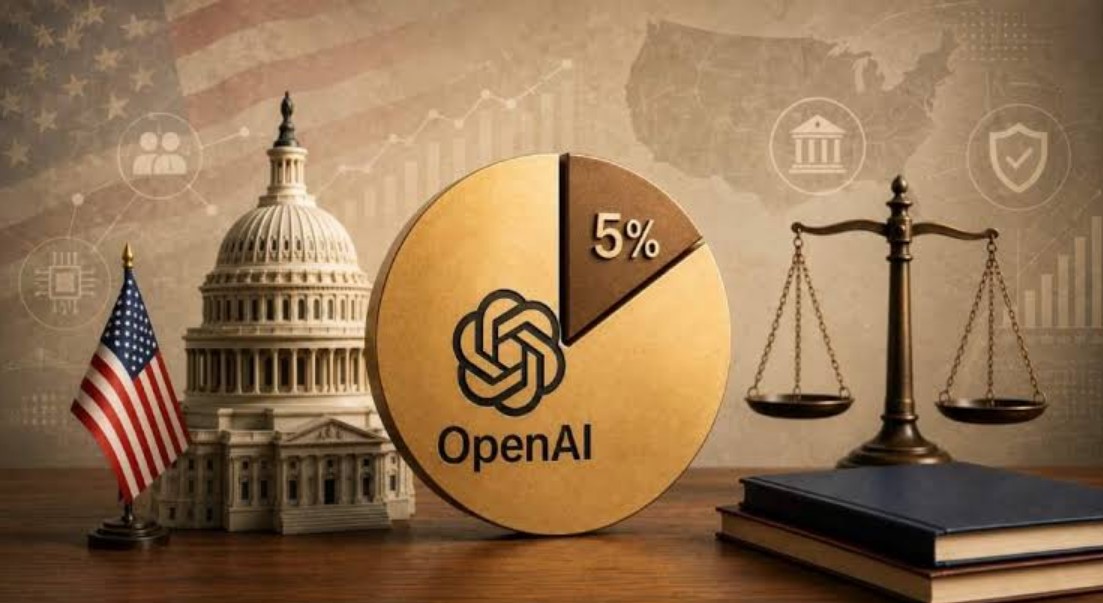
Under the proposal, other major AI firms—Anthropic, Google, Meta—would donate identical stakes to a government-controlled sovereign wealth fund modeled on Alaska’s Permanent Fund. The mechanism would give public citizens a direct financial interest in AI upside, theoretically removing the zero-sum framing that drives anti-AI sentiment.
A Bet on Regulatory Favor
The talks remain early. Congress would need to approve any formal arrangement, which complicates matters considerably. Altman’s stated rationale centers on public benefit: sharing AI’s economic gains broadly reduces the political risk of a backlash.
The unstated rationale is clearer. OpenAI faces mounting scrutiny from lawmakers who view the company as a private monopoly extracting public value. A government stake becomes leverage. It transforms OpenAI from a private corporate actor into a quasi-public entity answerable to executive and legislative pressure.
The Trump administration has not publicly responded. The White House‘s AI policy remains fluid, though the tone suggests openness to industry input.
Precedent and Complications
Sovereign wealth funds exist in Norway (oil), China (broad assets), and Alaska (fossil fuel dividends). None operate like what Altman is proposing. A U.S. government AI fund would need statutory authority, governance rules, and transparency mechanisms Congress hasn’t debated.
If Anthropic, Google, and Meta refuse to participate, the arrangement collapses. A 5% stake from only OpenAI becomes a political liability, not a solution. Coordination among competitors raises antitrust questions the FTC would scrutinize immediately.
What Comes Next
Altman likely expects pushback on details: stake size, voting rights, fund governance, whether other sectors (tech, pharma, finance) follow suit. The core offer is negotiation bait, not a final proposal.
The real test is whether this softens political opposition. If lawmakers view a 5% government stake as meaningful accountability, the offer gains traction. If they see it as theater, the entire proposal unravels.
The proposal is preliminary and would require congressional action to execute. Formal negotiations haven’t begun.

Follow iNews Zoombangla On Google
Open the Google follow page and tap the checkmark option to receive more updates from iNews Zoombangla in your Google news feed.