Indonesia is moving to widen the reach of its national palm oil certification scheme, setting a firmer regulatory footing for an industry that sits at the centre of its economy.
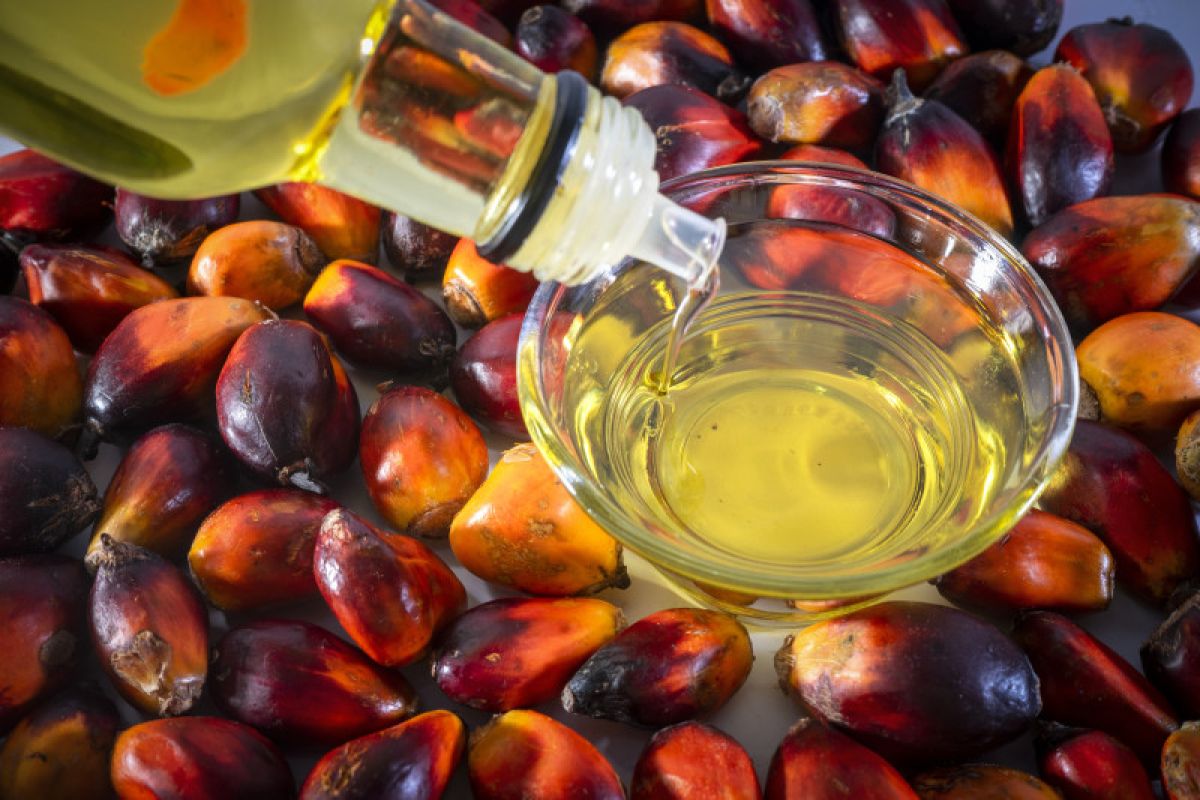
Under new rules outlined in Presidential Regulation No 16/2025, certification under the Indonesian Sustainable Palm Oil system will become mandatory for downstream palm oil businesses by 2027. The change extends requirements that have so far applied more narrowly, bringing processing activities into a single compliance framework.
Officials describe the shift as part of a broader effort to tighten sustainability governance while safeguarding Indonesia’s position in global markets that are increasingly sensitive to environmental standards.
The country remains the world’s largest producer and exporter of palm oil, with more than 16 million hectares under cultivation. Crude palm oil output reached 51.66 million tonnes in 2025, underscoring the scale at which the sector operates and the challenge of enforcing uniform practices across it.
At the Ministry of Industry, the emphasis has been on aligning the entire value chain. Authorities say the expansion of certification will ensure that not only plantations but also downstream operations meet defined sustainability benchmarks.
Industry Minister Agus Gumiwang Kartasasmita has framed the move as both defensive and strategic. Certification, implemented through the National Accreditation Committee, is intended to raise domestic production standards while helping exporters navigate tightening requirements abroad.
Trade figures illustrate the stakes. Palm oil and its derivatives generated export earnings of 44.65 billion US dollars in 2025, while imports stood at 1.417 billion dollars, leaving a substantial trade surplus. For policymakers, maintaining that surplus depends in part on how well the industry adapts to evolving expectations in key markets.
Putu Juli Ardika, acting director-general of agro industry at the ministry, pointed to those export figures as evidence of the sector’s continued strength, even as regulatory demands grow more complex.
Read More:
Vivo X500 Series Leak Points to New Pro Max Variant and Camera Upgrades
For now, the timeline gives businesses a window to adjust before the 2027 deadline takes effect. How smoothly that transition unfolds will shape not just compliance outcomes, but also the industry’s ability to sustain its current scale under closer scrutiny.

Follow iNews Zoombangla On Google
Open the Google follow page and tap the checkmark option to receive more updates from iNews Zoombangla in your Google news feed.