A strong earthquake in southern Peru injured at least two people and damaged homes and public buildings, according to reports from the Associated Press and Peru’s National Institute of Civil Defense. The event struck near Ayacucho and prompted assessments of homes, health centers and a school in affected communities.
The first reports showed a difference in magnitude and depth between international and local agencies. The U.S. Geological Survey measurement cited by the AP put the quake at magnitude 6.7, about 38 kilometers northwest of Upahuacho and roughly 66 kilometers deep. Peru’s INDECI preliminary report described a magnitude 7.2 event with an epicenter about 35 kilometers north of Coracora at a depth of 108 kilometers.
Such differences can appear because agencies use different seismic networks, locations, calculations and review processes. The numbers should not be read as evidence of two separate earthquakes without confirmation. For the public, the more important immediate issues are injuries, structural damage, aftershocks and access to affected areas.
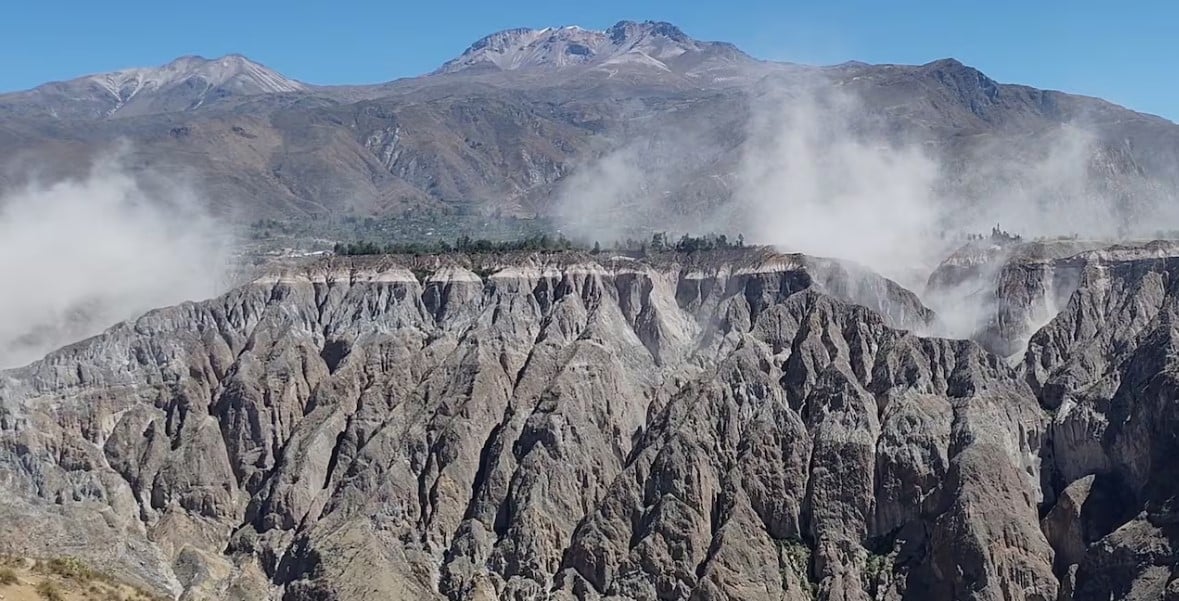
The AP reported that at least 22 homes, six health centers and one school were damaged, while rockfalls affected roads or mountain areas. No tsunami threat was reported. Local authorities continued evaluating the impact as reports from rural areas were collected.
Residents in the affected region were advised to remain alert for aftershocks and to avoid entering visibly damaged buildings. Peru’s emergency authorities use field assessments to update the number of people affected, the condition of infrastructure and the response required. Preliminary counts may therefore change as technical teams complete inspections.
The Peru earthquakes search trend reflects public concern after the event, but the verified picture is still developing. Readers should rely on USGS, INDECI and local emergency authorities for updated magnitude, damage and safety information. The current reports confirm a damaging earthquake in the Ayacucho area, two reported injuries and continuing assessments, while the precise agency measurement differs.