Google’s next generation of Pixel smartphones is beginning to take shape through a growing number of leaks, with reports indicating that the company is preparing four devices for release later this year as it continues the product strategy established in recent generations.
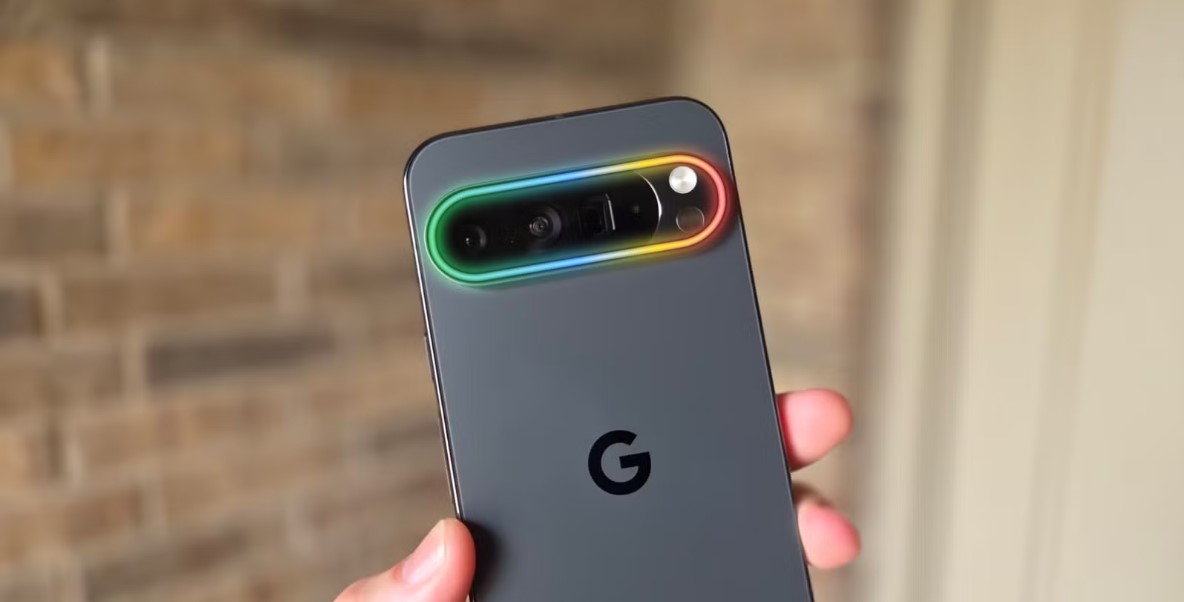
Based on information that has surfaced so far, the lineup is expected to include the Pixel 11, Pixel 11 Pro, Pixel 11 Pro XL and Pixel 11 Pro Fold. While no official announcement has been made, reports point to a launch window in August, broadly in line with Google’s recent hardware schedule.
The company shifted its flagship phone launches to late summer in recent years. The Pixel 9 series was announced on August 13, 2024, before reaching consumers later that month, while the Pixel 10 series followed a similar pattern with an August 20, 2025 announcement and an August 28 release. Current expectations suggest the Pixel 11 family could arrive on a comparable timeline.
Early pricing reports indicate that Google may keep pricing largely unchanged. The standard Pixel 11 is expected to start at approximately $799, with the Pixel 11 Pro at $999, the Pixel 11 Pro XL at $1,199 and the Pixel 11 Pro Fold at $1,799.
Design changes appear to be relatively modest. Leaked renders suggest Google will continue the visual direction introduced with the Pixel 9 series, although the camera bar may receive a subtle redesign. Reports indicate the camera housing could adopt a fully black appearance rather than using frame-colored accents around the lenses.
Device dimensions reported in leaks show only minor differences from previous models. Display sizes are also expected to remain familiar across the range, with OLED panels featured throughout the lineup. Higher-end models are expected to retain LTPO technology with adaptive refresh rates ranging from 1Hz to 120Hz.
One of the most closely watched changes concerns the processor. Reports suggest the Pixel 11 series will use Google’s Tensor G6 chip. According to a large leak, the processor will be manufactured using TSMC’s 2-nanometre process technology, a move that could bring improvements in efficiency, battery life and performance compared with earlier Tensor generations.
The same report outlined a revised CPU configuration and claimed the chip would include a new PowerVR graphics processor, a MediaTek modem, an upgraded Tensor Processing Unit for artificial intelligence workloads and a new imaging coprocessor.
Memory configurations may also change. Leaked information suggests the base Pixel 11 could be offered with either 8GB or 12GB of RAM, while Pro-branded models may be available in both 12GB and 16GB variants. If accurate, that would mark a departure from the more uniform memory options seen in the previous generation.
On the camera front, reports indicate Google may retire the rear temperature sensor found on certain Pro models. In its place, leaks describe a new feature referred to as “Pixel Glow,” an integrated RGB lighting system built around the camera bar that could function as a notification and status indicator.
Details about camera hardware remain limited. Internal sensor codenames have surfaced in leaked documents, but specific technical information has not yet been disclosed. Reports currently point only to the possibility of an upgraded 50-megapixel primary camera sensor.
Also Read:
Blast Crosses ₹50 Crore Worldwide as Family Audiences Drive Box Office Momentum
With several months remaining before an expected launch, much of what is known about the Pixel 11 series remains based on leaks and preliminary reports. Even so, the emerging picture suggests Google is preparing an evolutionary update rather than a dramatic redesign, with attention focused on silicon improvements, refinements to the camera system and a continuation of its expanding Pixel device family.

Follow iNews Zoombangla On Google
Open the Google follow page and tap the checkmark option to receive more updates from iNews Zoombangla in your Google news feed.