Polestar is finding that product momentum is only part of the story in today’s EV market. Buyers in the US are now more likely to compare the entire ownership journey before they commit, from delivery timing to service experience and communication quality after the car is on the road.
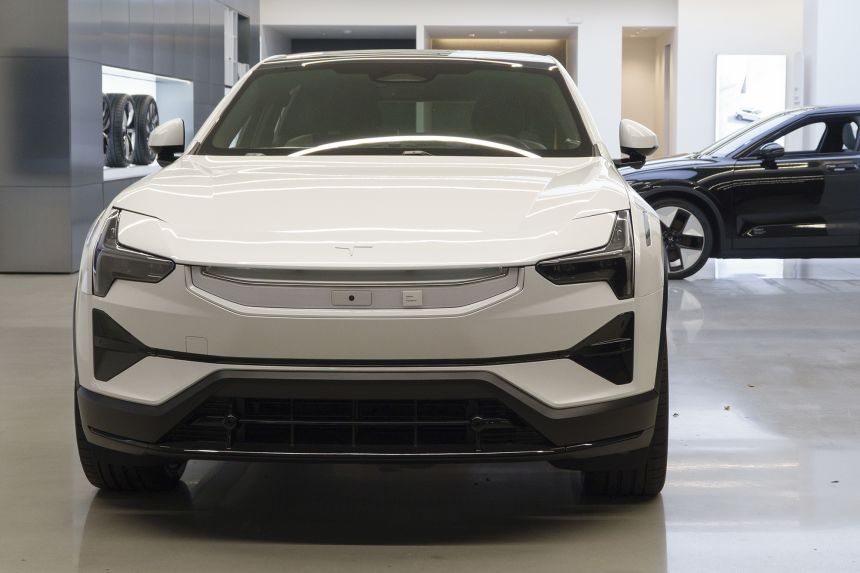
That shift is visible across major EV brands, but it is especially relevant to premium names that built attention through design first. For Polestar, the question is no longer only about features at launch. It is also about whether the ownership process feels dependable over time, especially as competition grows and alternatives become easier to access.
What buyers want beyond styling
Service and support have become deciding factors in buyer decisions. Even a confident first impression can lose impact quickly if practical support does not match the promise of the product. Polestar’s audience is watching whether service pathways feel clear, whether updates are communicated quickly, and whether the ownership support model feels stable at scale.
That is why the current coverage is less about headlines and more about follow-through. A smooth launch can attract attention, but recurring reliability and transparent support are what keep long-term trust. In electric mobility, reliability expectations are now measured less by a single reveal and more by how the experience fits into daily use over the coming months.
Why this affects the market now
The US EV conversation has become less forgiving of ambiguity. Buyers compare ranges, software, dealer responses and financing terms in one frame before selecting a model. In that environment, Polestar has to protect trust as much as it protects performance metrics. That is the practical test shaping brand reputation this week.
If the ownership experience feels stronger with every update cycle, that helps the brand remain in the premium conversation. If support gaps remain, buyers will move quickly. The pressure is clear and the market is watching closely.

Follow iNews Zoombangla On Google
Open the Google follow page and tap the checkmark option to receive more updates from iNews Zoombangla in your Google news feed.