Polestar is one of the electric vehicle names that tends to draw attention whenever the US market starts asking tougher questions about service, sales and long-term confidence. EV buyers want more than a stylish badge. They want clear ownership support, dependable delivery and a sense that the brand is built to last beyond the first wave of excitement.
That is why any strain in the conversation around Polestar matters. The brand sits in a part of the market where expectations are already high and patience is often limited. If buyers begin to worry about service or availability, the discussion moves quickly from product design to trust, and that is a harder conversation for any carmaker to manage.
Service and trust matter as much as design
Electric vehicle brands do not compete only on range or acceleration. They also compete on how easy they are to live with. Owners want clear support, accessible maintenance and confidence that the company behind the car will be there when something needs fixing. That is especially true in the US, where buyers compare a growing list of EV options with little loyalty to spare.
Polestar has built a reputation around clean design and a premium feel, but premium alone does not settle every concern. The market keeps asking whether a brand can deliver a smooth ownership experience, not just a nice first impression. That makes the service side of the story especially important whenever the brand comes up in conversation.
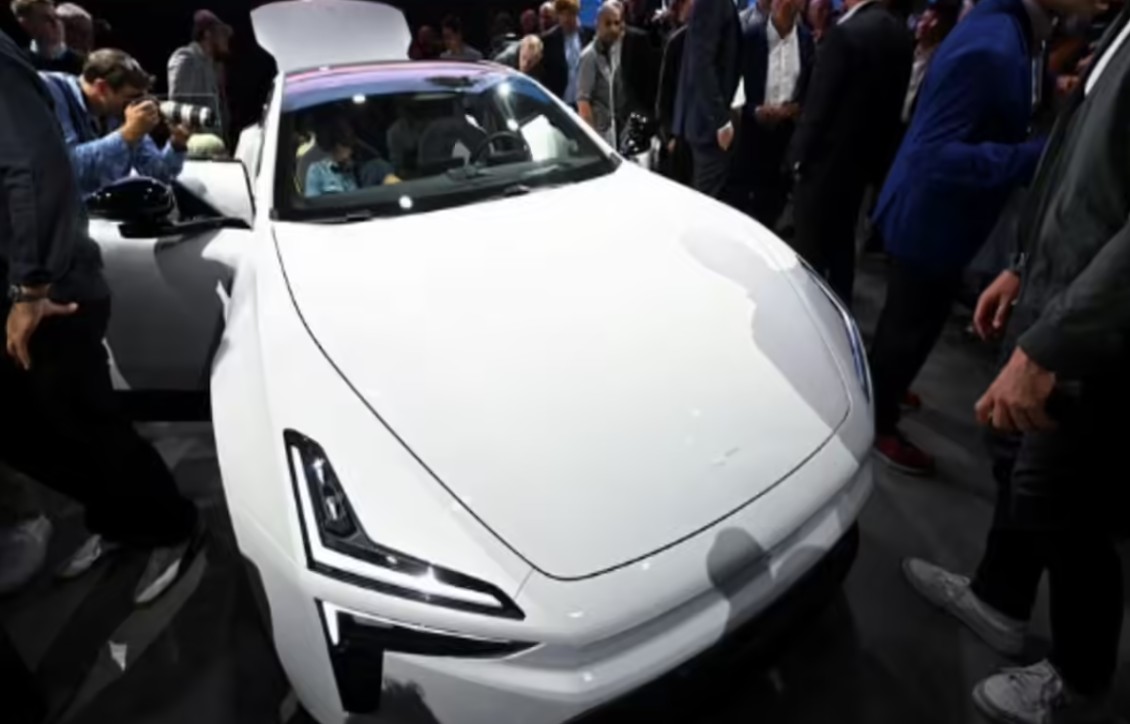
Why the pressure on EV brands keeps rising
The US EV market is no longer a novelty market. Buyers know what they want, and they know what they do not want. Delayed support, weak communication or uncertainty about the future can quickly change how a brand is perceived. That is why companies like Polestar need to keep proving themselves long after the first purchase interest fades.
This kind of scrutiny is not unique to one brand. It is part of the wider EV market now. The companies that do best are usually the ones that make ownership feel straightforward and dependable. That is the standard Polestar is being measured against now, and it is why the discussion around the brand keeps returning to practical questions rather than marketing language.
The market wants confidence, not just promise, and that is the challenge Polestar now has to answer.

Follow iNews Zoombangla On Google
Open the Google follow page and tap the checkmark option to receive more updates from iNews Zoombangla in your Google news feed.