The U.S. Senate Judiciary Committee unanimously approved the NO FAKES Act on June 24, marking a rare bipartisan victory for the music industry in its fight against unauthorized AI-generated performances. The legislation would prohibit deepfakes of musicians without consent.
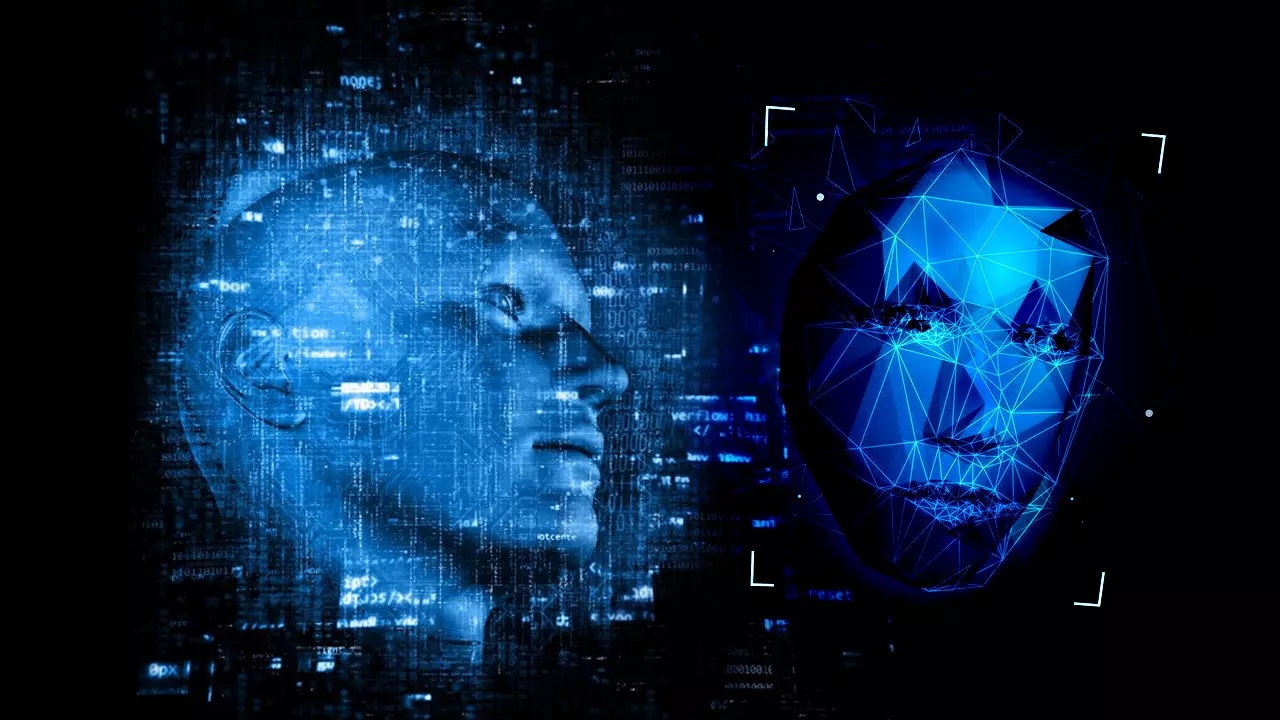
The bill specifically targets AI systems that synthesize voices and likenesses of artists without permission. A musician’s voice is their signature asset. AI companies trained models on millions of songs, often without paying or asking. The NO FAKES Act would establish legal recourse for artists whose voices are cloned without permission.
Major labels have been fighting AI music generation platforms for months. Copyright suits against Suno and Udio are pending. Meanwhile, artists watch AI models clone their voices for remixes, covers, and entirely synthetic new songs. The Recording Academy has framed this as an existential threat to artist livelihoods.
The bill now heads to the full Senate. If passed, it would require opt-in consent from artists before their voice or likeness can be used to generate new performances, effectively ending most unauthorized AI music synthesis in the United States.
Industry insiders view the act’s passage as inevitable. The committee vote was 14-0, with no dissents. Even tech-friendly senators recognized the unfairness of AI models trained on copyrighted work without compensation. The Grammy organization has backed the legislation as essential protection for songwriters and performers facing income losses from AI-generated content.