Xiaomi Redmi Note 17 Pro Max has reached a wide group of global markets, but the rollout does not include the United States. Android Authority reported on August 27 that the phone was available across Europe, India, Asia, the Middle East, Africa and Latin America.
The phone starts at $499 for an 8GB of RAM and 128GB storage configuration, according to Android Authority. That makes the regional list as important as the headline price, because buyers in different markets will not see the same product or the same battery capacity.
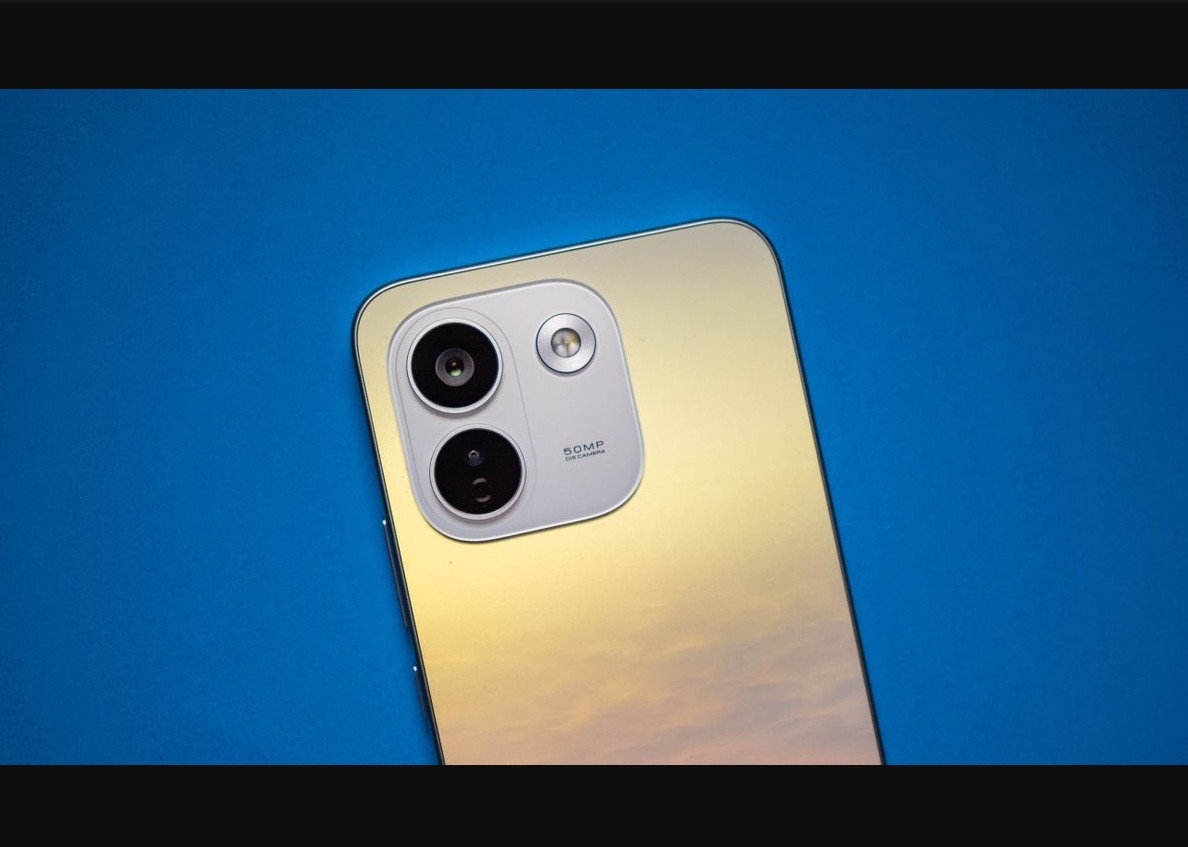
Xiaomi is offering the handset in Black, Cloud Blush, Green and Purple. Android Authority described Cloud Blush as a photochromic finish that changes from a light color to a warmer pink-orange shade in sunlight. The report also said the U.S. is not part of the launch map.
Xiaomi’s Japan homepage currently lists the REDMI Note 17 Pro Max 5G in its product lineup. The page does not publish a Japanese price or a sales date in the visible listing, so it should not be treated as proof of local retail availability. It does show that Xiaomi is presenting the model within its current REDMI phone range.
Regional hardware differences extend beyond the market list. Android Authority reported that the phone carries a 10,000mAh silicon-carbon battery in most markets, while European users receive a 9,210mAh version. The report also said Xiaomi promises 1,600 charging cycles before the battery reaches 80 percent capacity.
The display is a 6.83-inch 1.5K OLED panel with a claimed peak brightness of 3,500 nits. The phone also has an IP68, IP69 and IP69K rating, Gorilla Glass Victus 2 and a Snapdragon 6 Gen 5 processor, according to the same report.
Those specifications help explain why the model is drawing attention outside the launch story itself. Availability remains divided by region, and buyers need to check the local Xiaomi site before relying on a global specification sheet. The clearest confirmed boundary is simple: Redmi Note 17 Pro Max is widely listed internationally, but it is not being offered in the U.S. rollout described by Android Authority.

Follow iNews Zoombangla On Google
Open the Google follow page and tap the checkmark option to receive more updates from iNews Zoombangla in your Google news feed.