SpaceX is working toward the 13th test flight of its Starship megarocket after scrubbing the highly anticipated debut of the vehicle’s upgraded Version 3 configuration on May 21, 2026. The scrub came after last-minute technical issues triggered a series of holds that eventually pushed the attempt past its acceptable launch window, forcing engineers to return the vehicle to the launch site at Boca Chica, Texas, for further analysis.
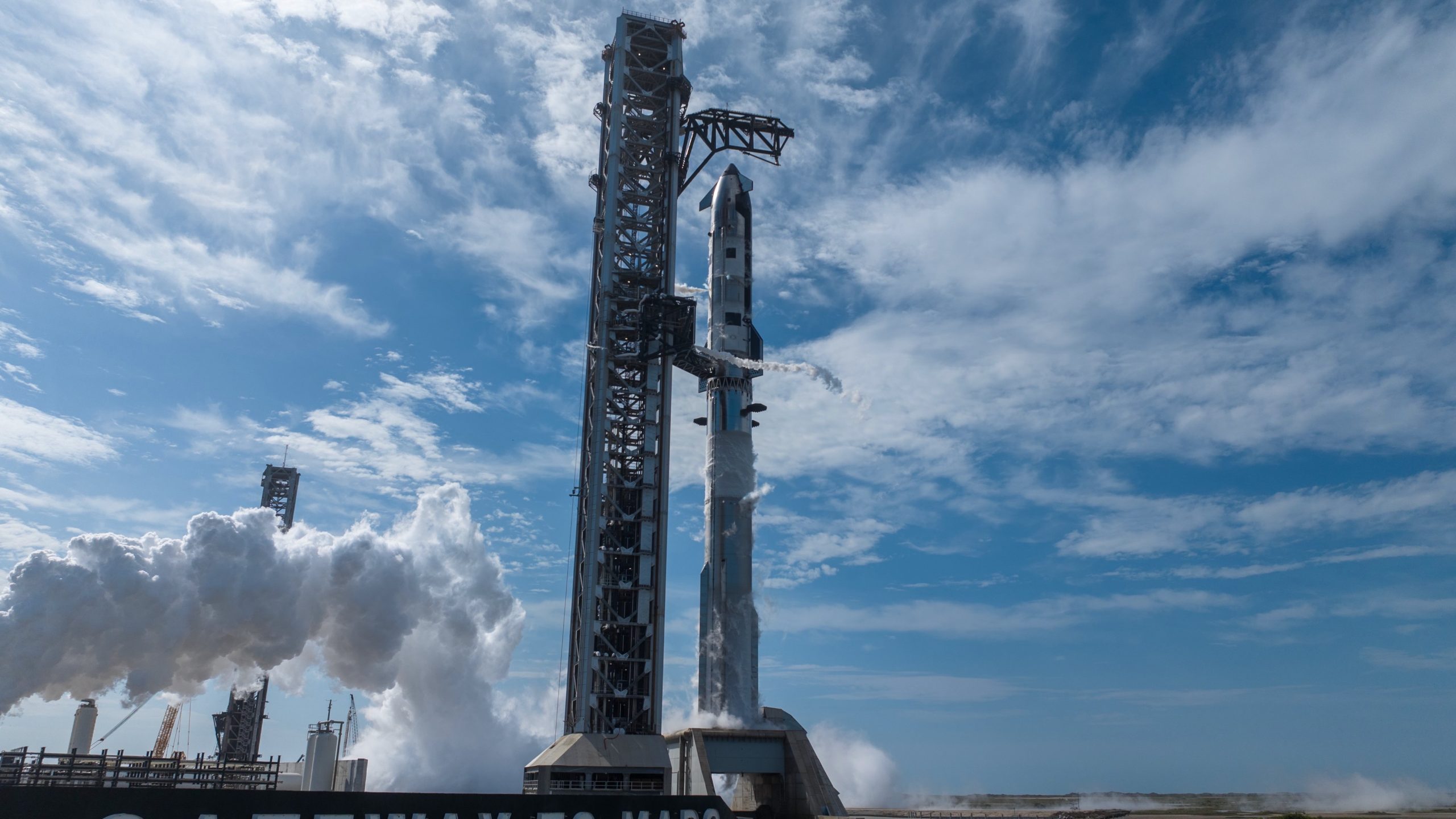
Starship Version 3, also called V3, represents a significant upgrade over earlier iterations of the rocket. SpaceX has improved the main engine cluster on the Super Heavy booster, increased the propellant capacity of the ship stage, and made structural modifications aimed at allowing higher payload mass to orbit. The company has described V3 as the configuration it needs to begin regular Starlink V3 satellite deployments in the second half of 2026.
No date for the 13th test flight has been formally announced. SpaceX follows a pattern of confirming flight dates only a few days in advance, after receiving regulatory approval from the Federal Aviation Administration and completing internal readiness reviews. The company spent approximately $930 million on Starship research and development in the first three months of 2026 alone, reflecting the priority it places on the programme.
The previous twelve test flights, which ran from April 2023 through early 2026, have seen progressive milestones. The programme achieved full orbital trajectory capability, demonstrated the Super Heavy booster catch at the launch tower using its mechanical arms, and successfully transitioned Starship through re-entry. Each flight has produced data that fed directly into the design changes reflected in V3.
The stakes for Starship’s development are substantial beyond SpaceX’s own commercial ambitions. NASA has contracted SpaceX to use a Starship variant as the Human Landing System for the Artemis III Moon landing mission, currently planned for 2027. That schedule depends on Starship demonstrating reliable performance in orbit, including the complex fuel transfer operations that will be needed to top up the lunar lander’s tanks before it departs for the Moon.
SpaceX has operated Starship development in parallel with its busiest commercial launch calendar to date. In the first half of 2026, the company’s Falcon 9 and Falcon Heavy rockets completed dozens of Starlink satellite deployments, crew and cargo missions to the ISS, and commercial satellite launches for customers worldwide. SpaceX began trading on the Nasdaq in early June 2026 following its IPO, adding public market scrutiny to a programme that had previously operated entirely under private company constraints.
The FAA’s oversight of Starship test flights has been a recurring source of tension between SpaceX and the regulatory agency. The company has at times accused the FAA of moving too slowly on launch approvals, while the agency has maintained that its environmental and safety reviews are legally required before each flight. The relationship has been a subject of ongoing negotiation between SpaceX and the federal government throughout the programme’s development. More on SpaceX’s recent milestones is in our technology coverage. Official Starship programme updates are posted on the SpaceX Starship page.

Follow iNews Zoombangla On Google
Open the Google follow page and tap the checkmark option to receive more updates from iNews Zoombangla in your Google news feed.