SpaceX shares have experienced a significant decline, shedding roughly $400 billion in market value over a single day. The company simultaneously announced plans to borrow upwards of $100 billion, a move that spooked investors and signaled potential financial stress or aggressive expansion ambitions.
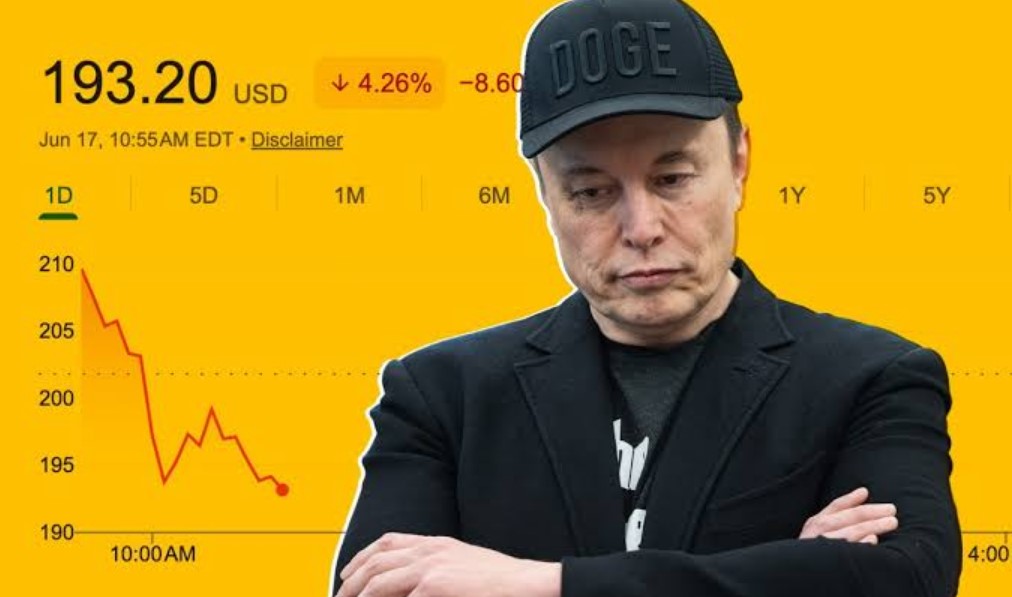
SpaceX’s stock fall brought the company very close to its original listing price, erasing substantial gains from recent years. The magnitude of the drop suggests a major shift in investor sentiment or disclosure of material information that changed valuation assumptions.
The company’s borrowing plans, if executed, would represent one of the largest single capital raises in SpaceX’s history. The stated use case was not immediately clear, but options include: funding accelerated Starship development, capital for Starshield military ventures, or general liquidity to weather economic uncertainty.
SpaceX trades privately, so the notion of “stock” is somewhat technical—private shareholders trade on secondary markets, and valuations fluctuate based on financing rounds and investor sentiment. A major venture firm or secondary market platform likely drove down prices, or major shareholders took losses.
Elon Musk’s other companies are navigating similar challenges. Tesla’s valuation has fluctuated amid competition and production challenges. X (formerly Twitter) remains unprofitable and capital-intensive. These dynamics create opportunity costs for SpaceX as Musk’s attention and capital allocation decisions affect all three entities.
The Starship development program remains SpaceX’s defining capital driver. Each launch, test, and refinement requires substantial investment. Recent tests achieved incremental progress but also revealed engineering challenges that require iterative solutions and engineering talent. Acceleration requires more money and people.
From a competitive standpoint, SpaceX maintains dominance in commercial launch services and in supplying NASA with crew and cargo vehicles. This revenue base is stable. But ambitions around Starshield, point-to-point transportation, and deep-space missions are longer-duration, higher-risk bets requiring sustained capital.

Follow iNews Zoombangla On Google
Open the Google follow page and tap the checkmark option to receive more updates from iNews Zoombangla in your Google news feed.