Scientists at Stanford Medicine have reversed arthritis in aging mice by blocking a protein linked to the aging process, regrowing knee cartilage that had been lost and significantly improving joint function. The study, published in the journal Science, could reshape how osteoarthritis is treated in humans if the results hold in clinical trials.
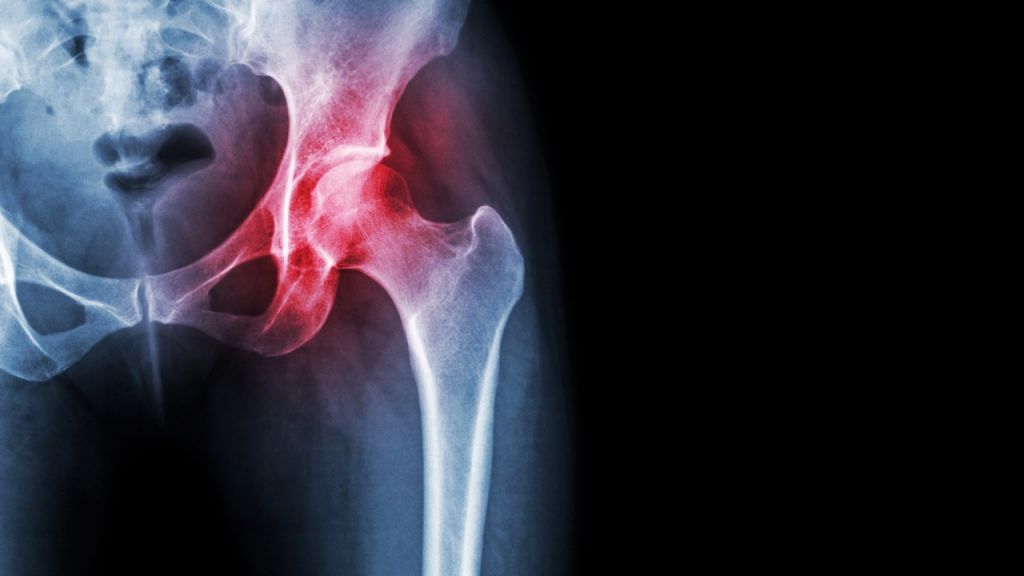
The team identified 15-PGDH, a protein that accumulates with age in joint tissue, as a key target. By blocking this protein with an experimental drug given twice a week for four weeks, they found that old mice regrew healthy cartilage in damaged joints. Mice that received the treatment after knee injuries were significantly less likely to develop osteoarthritis and placed more weight on the injured leg compared to untreated animals.
The researchers also tested the drug on human cartilage samples sourced from knee replacement surgeries. When exposed to the treatment, the human tissue began regenerating in the laboratory setting, which the researchers said was a promising early signal for potential human applications. Lead scientists cautioned that results in cell or animal models do not always translate to human patients, but said the findings justified moving toward a clinical trial.
Osteoarthritis affects more than 500 million people worldwide and is one of the leading causes of chronic pain and disability in adults over fifty. Current treatments focus on managing pain rather than addressing the underlying cartilage loss. Joint replacement surgery is the most common intervention for severe cases, but it is expensive, carries surgical risks, and does not restore natural function.
The Stanford team said the most exciting aspect of the finding was that it appeared to target the biological mechanisms of aging itself within the joint, rather than simply masking symptoms. Earlier research had suggested that joints lose their ability to regenerate cartilage because of age-related biological changes, and this study offered a specific molecular target for reversing that process.
The team said they hoped to launch a human clinical trial within the next one to two years, pending regulatory review and additional safety testing. If the drug proves safe and effective in humans, it could offer an alternative to joint replacement for millions of patients worldwide. The study drew wide attention from rheumatologists and orthopedic surgeons who called it one of the most significant cartilage research findings in a decade.
This year has seen several major medical breakthroughs, including the cancer drug daraxonrasib, which nearly doubled survival times in pancreatic cancer patients in trials. The arthritis finding adds to a growing body of work aimed at treating the root causes of age-related disease rather than its symptoms. Scientists said the field of geroscience — the study of aging as a driver of disease — is moving faster than expected. Funding for such research has increased sharply in recent years as investors and governments recognize the economic costs of an aging global population. The Stanford result builds on earlier work showing that joint tissue retains some regenerative capacity even in older animals, a finding that has encouraged research into biological rejuvenation across multiple organ systems. A clinical trial is the next step, and researchers said results could be known within three to five years.

Follow iNews Zoombangla On Google
Open the Google follow page and tap the checkmark option to receive more updates from iNews Zoombangla in your Google news feed.