An experimental drug called daraxonrasib has nearly doubled survival times for patients with advanced pancreatic cancer in a major Phase 3 clinical trial, researchers announced at the American Society of Clinical Oncology annual meeting in late May. The results were described by oncologists as among the most significant advances in a cancer field that has seen minimal progress for decades.
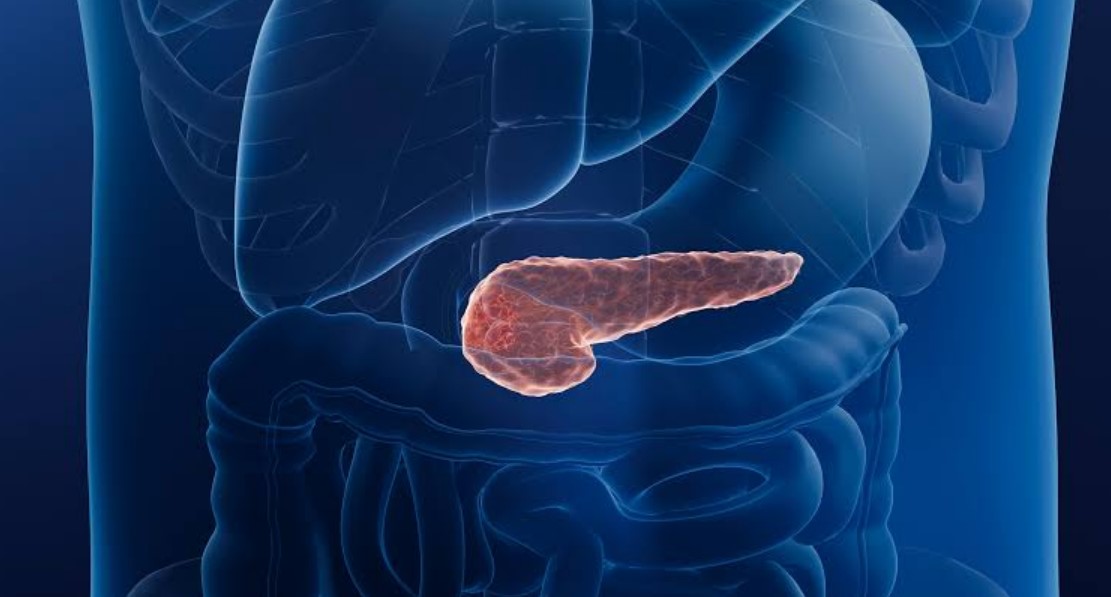
In a trial of nearly 500 patients whose cancer had progressed after initial chemotherapy, those treated with daraxonrasib lived a median of 13.1 months. Patients who continued with standard second-line chemotherapy survived a median of 6.7 months. The drug reduced the overall risk of death by 60 percent compared to chemotherapy.
Daraxonrasib works by blocking a mutation in the KRAS gene, a driver present in approximately 90 percent of all pancreatic cancers. KRAS was long considered undruggable because of its shape and the way it functions inside cancer cells. Earlier drugs in the same class failed in clinical trials, but daraxonrasib uses a different binding mechanism that successfully disrupts the protein’s activity in pancreatic tissue.
Pancreatic cancer kills more than 52,000 Americans annually and carries a five-year overall survival rate of just 13 percent. The lack of early screening tools and resistance to existing treatments have made it one of the most feared diagnoses in oncology.
The US Food and Drug Administration had previously granted daraxonrasib both Breakthrough Therapy and Orphan Drug designations, accelerating its review timeline. The drug is currently available through the FDA‘s expanded access programme for eligible patients who have received at least one round of chemotherapy.
Researchers said full FDA approval could come later in 2026 if the trial data continues to hold up in safety reviews. The same ASCO conference highlighted new data suggesting a subset of breast cancer patients can safely skip chemotherapy altogether. The US Food and Drug Administration maintains updated information on the expanded access programme. Related science coverage includes earlier reports on James Webb’s discoveries and recent paleogenomics breakthroughs. The human behaviour research published alongside the cancer findings rounds out this year’s life sciences coverage.

Follow iNews Zoombangla On Google
Open the Google follow page and tap the checkmark option to receive more updates from iNews Zoombangla in your Google news feed.