Stepfun unveiled the StepX Neo in Shanghai, an AI smartphone built from the ground up for autonomous agents rather than traditional apps. The device runs Step AOS, an operating system designed around agents that interpret requests, coordinate services, and execute tasks without manual app-switching.
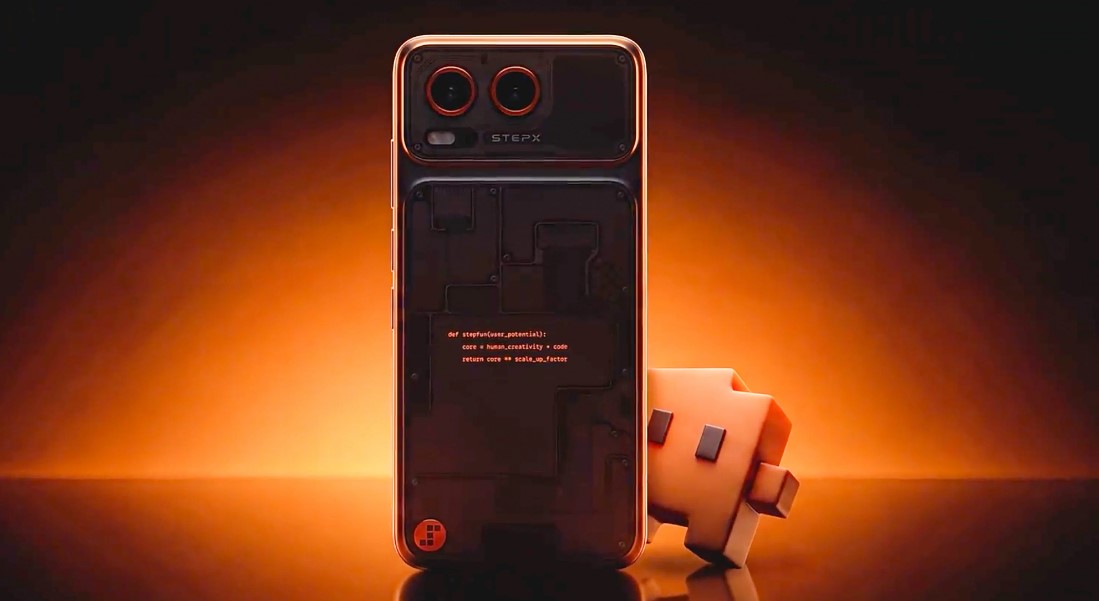
Unlike phones that force users to open Gmail, then Slack, then a calendar, the StepX Neo runs agents that handle these services in the background. Tell the device what you need—book a travel day that coordinates flights, hotel, and calendar time—and the agents execute the plan by talking to each other.
The Operating System Difference
Traditional smartphone OSes have been built around individual apps competing for screen time. Each app is a silo. Users must navigate between them manually.
Step AOS inverts this. Services live in the background as agents. The screen is a canvas for results and confirmations, not app launchers. This is a fundamentally different interaction model—closer to a personal assistant than an app store.
China’s AI Smartphone Play
Chinese smartphone makers face a market paradox: overall phone sales are down, yet AI-enabled phones are growing fast. IDC projects 147 million AI phone shipments in China this year, finally outnumbering non-AI phones.
Stepfun and ByteDance are racing to own this segment. They see an opportunity to leapfrog U.S. companies by building operating systems designed for agents from day one, rather than bolting AI onto Android or iOS.
The StepX Neo is the first phone designed for a world where AI does the work, not you.