The Supreme Court refused to review an appeals court ruling that strikes down key protections under Section 208 of the Voting Rights Act in seven Midwestern states. The decision leaves in place restrictions on private enforcement of disability voting protections for voters unable to read or write.
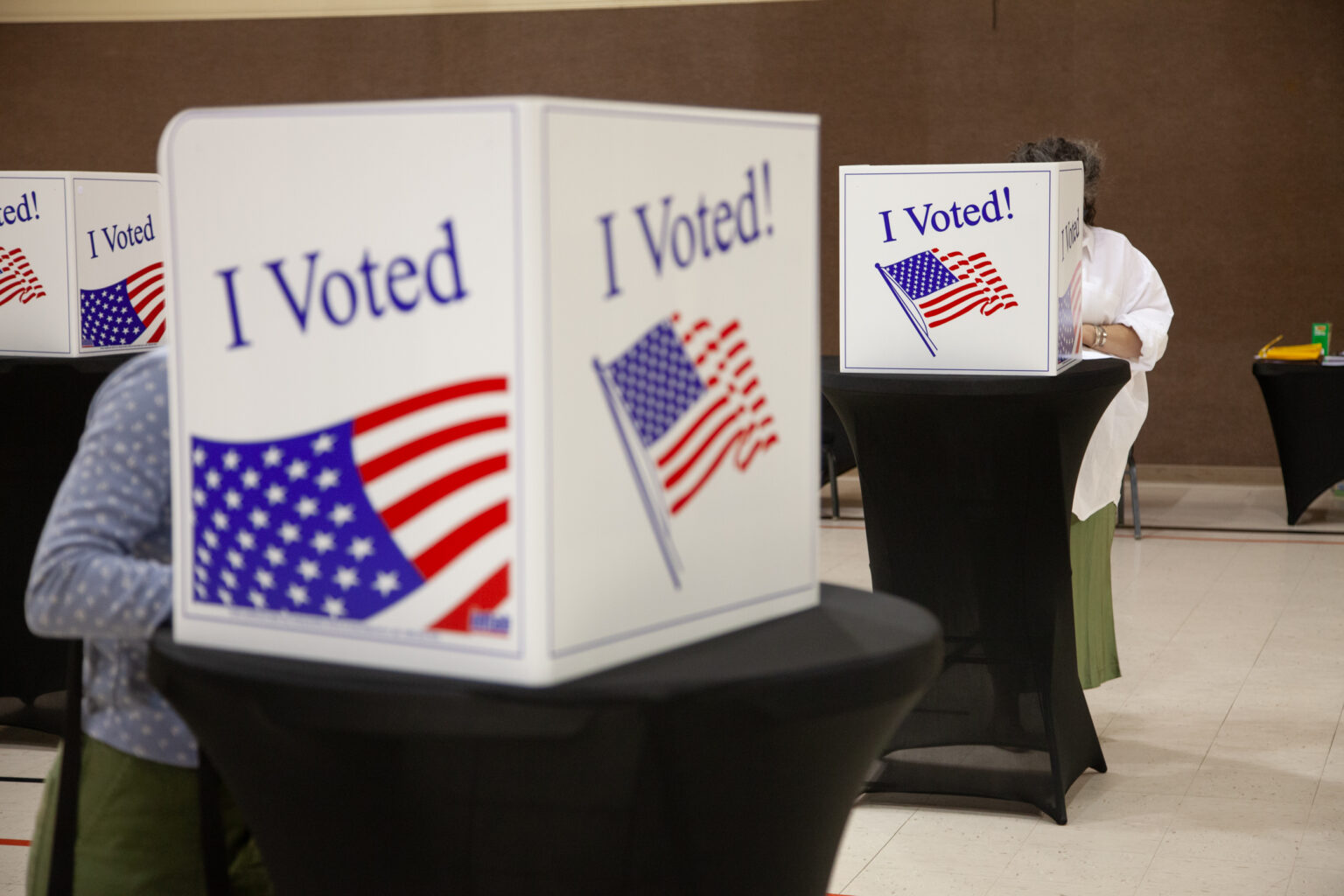
The 8th U.S. Circuit Court of Appeals previously determined that private individuals and civil rights groups lack the legal right to sue under Section 208 in Arkansas, Iowa, Minnesota, Missouri, Nebraska, North Dakota, and South Dakota. The Supreme Court’s refusal to hear the case makes that ruling final.
Section 208 has long allowed voters with disabilities or literacy challenges to receive assistance from a person of their choice during voting. The appeals court decision narrowed enforcement by preventing private lawsuits, leaving enforcement to government agencies with limited resources and political will.
Civil rights advocates view the ruling as a setback for voting access protections. MALDEF (Mexican American Legal Defense and Educational Fund) now plans to eventually ask the Supreme Court to review a private right of action under Section 208 through a separate Missouri-based lawsuit that was previously paused.
The decision reflects broader Supreme Court skepticism toward expansive interpretations of civil rights statutes. It comes as voting access remains contested across the country, with states implementing varied requirements for voter assistance and accommodations.