Taylor Swift wedding talk is again visible in conversation, but its usefulness now is in how fan attention clusters and resets around verified and unverified updates. In media coverage, this angle remains careful: the name stays in public view, while the reliable reporting path stays focused on what is confirmed.
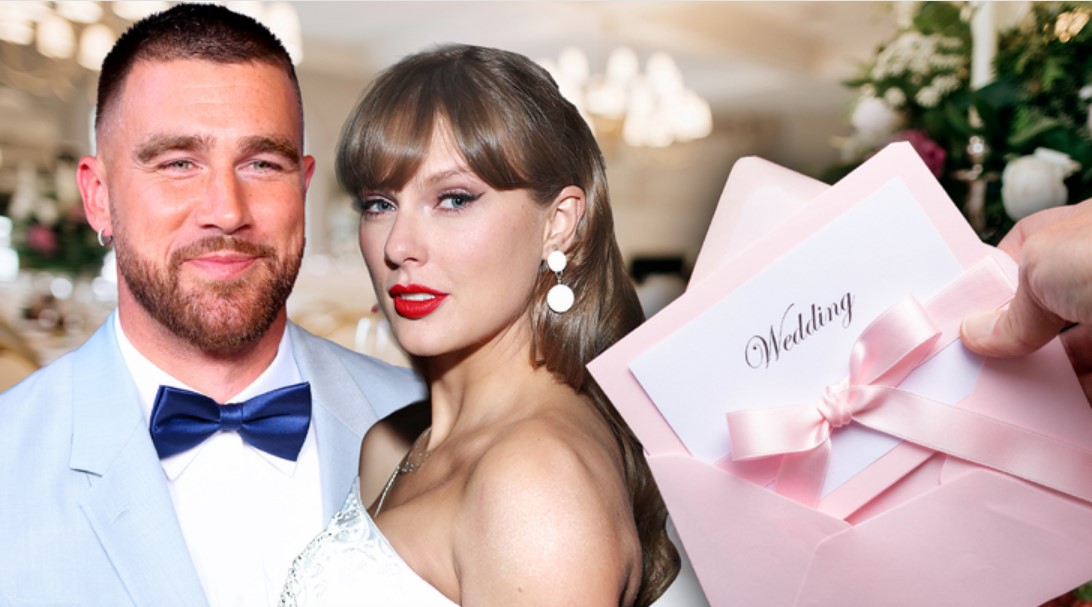
For readers, practical coverage separates signal from repetition. People want to know where direct confirmation is still missing and where updates are only recurring speculation. That is why this keyword stays in the entertainment stream without requiring exaggerated claims. The key is to avoid noise and track what is actually verifiable.
Why social-cycle stories can still be written responsibly
The best coverage here is grounded in method, not surprise. It maps what is visible, what is repeated, and where official statements are absent. That is the narrow lane that keeps this topic useful in short windows: it reflects public interest while not confusing that interest with confirmed fact.
For a celebrity-focused desk, this also keeps the tone measured. The conversation moves quickly on a topic like this, and readers often return multiple times in a day to check whether anything new is official. That repeat behavior itself is a practical reason this line stays relevant in short-cycle reporting.
What is newsworthy in the next cycle
In the next 48 hours, the update is likely to remain valid only if there is new verified information. If not, the safe story remains audience behavior and the spread of repeated claims, framed without exaggeration. That keeps reporting credible while still explaining why the topic remains active in public conversation.
The discipline in this case is simple: avoid replacing reporting with repetition, and let confirmed updates, if they appear, drive the next shift.

Follow iNews Zoombangla On Google
Open the Google follow page and tap the checkmark option to receive more updates from iNews Zoombangla in your Google news feed.