A Tesla Model 3 traveling at 73 mph crashed through a residential home in Katy, Texas on Friday night, killing 76-year-old Martha Avila. Driver Michael Butler told authorities that the vehicle was operating on self-driving mode when the crash occurred, though Tesla disputes this account.
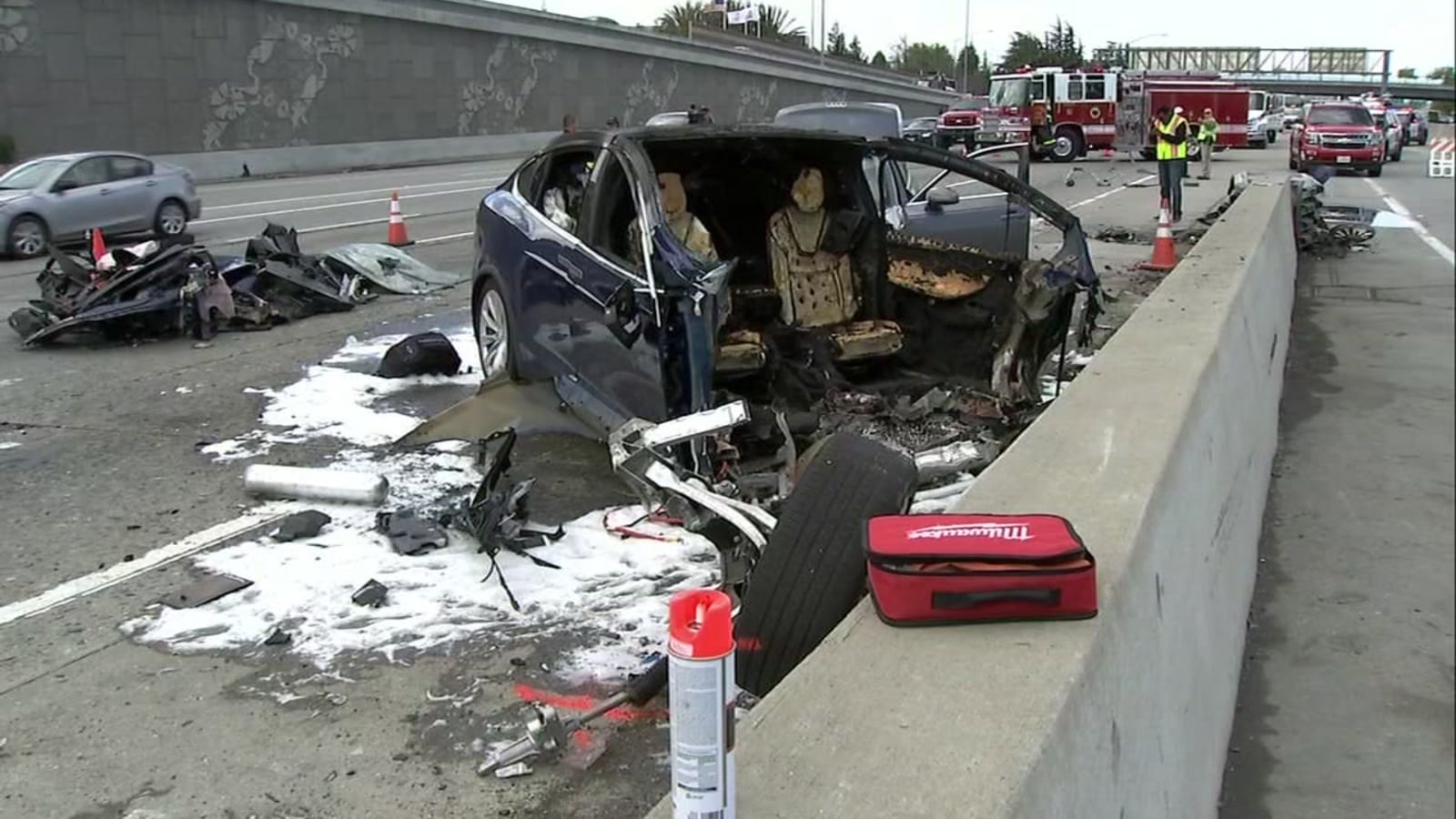
Butler claimed the Tesla was in autopilot when he lost control and crashed through the brick home. However, Tesla Vice President of Autopilot Ashok Elluswamy stated that data shows the driver manually overrode the self-driving system by pressing the accelerator to 100% capacity.
The National Highway Traffic Safety Administration opened a special crash investigation into the incident. NHTSA has opened more than three dozen Tesla special crash investigations involving the company’s partially automated driving systems since 2016, reflecting ongoing safety concerns.
The crash thrust autonomous vehicle safety back into public attention as the broader artificial intelligence industry races to deploy autonomous systems in physical environments. Questions persist about safety protocols, driver responsibility, and the reliability of self-driving claims.
The incident comes amid growing debate about autonomous vehicle readiness and whether manufacturers adequately warn drivers about system limitations. Tesla has faced scrutiny over marketing claims regarding its autopilot capabilities.

Follow iNews Zoombangla On Google
Open the Google follow page and tap the checkmark option to receive more updates from iNews Zoombangla in your Google news feed.