A Tesla operating on autopilot left a Texas roadway and crashed through a home, killing a 76-year-old woman inside. The incident reignites long-running safety concerns about autonomous driving systems as the technology reaches broader adoption.
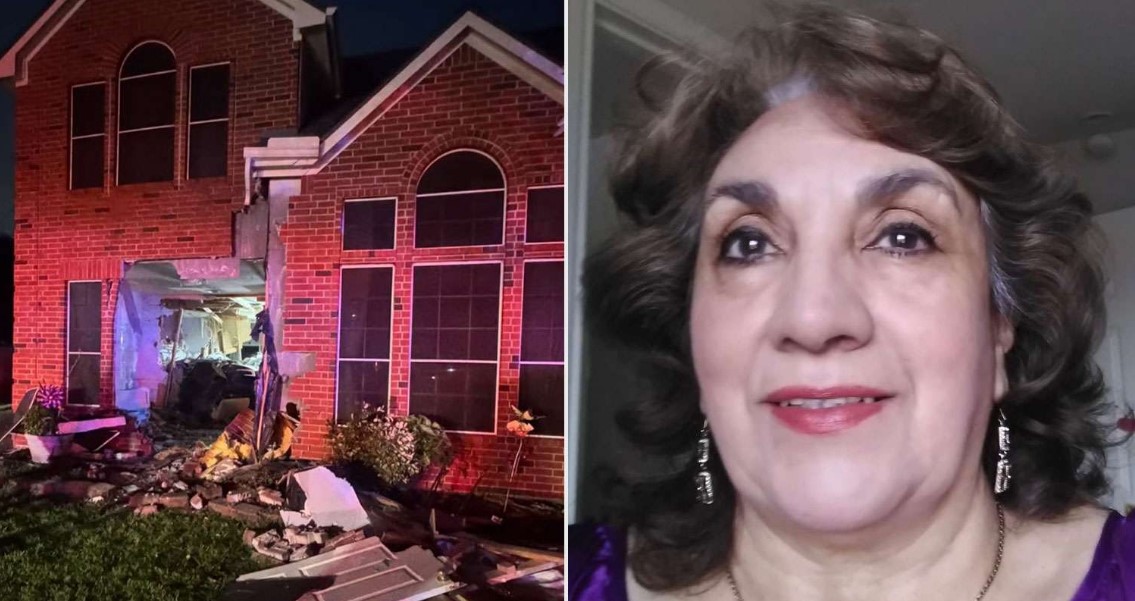
The crash occurred when the vehicle, running in autopilot mode, veered off course and struck the residence without apparent braking. The woman inside suffered fatal injuries from the collision. Authorities did not immediately identify the driver or determine whether the driver was actively monitoring the vehicle at the moment of impact.
Tesla’s autopilot system is classified as a Level 2 driver-assistance feature, meaning it handles acceleration, braking, and steering under limited conditions but requires active human supervision. The company has faced criticism from safety advocates and regulators who argue that the “autopilot” branding misleads drivers into assuming greater autonomy than the system provides.
This crash follows a pattern of autopilot-related incidents over the past eighteen months. Investigations by federal agencies have examined whether Tesla drivers are sufficiently engaged with the road, whether the system fails to detect obstacles or road hazards, and whether the company’s marketing creates unrealistic expectations around autonomous capability.
The National Highway Traffic Safety Administration (NHTSA) has opened multiple investigations into Tesla autopilot crashes. The agency has not issued recalls or mandated changes, but pressure is mounting for clearer guardrails around marketing language and driver monitoring requirements.
The investigation will examine whether the vehicle had malfunctions, whether driver inputs preceded the crash, and whether warnings or notifications preceded the event. These details will inform whether the incident reflects a training gap, a hardware failure, or a software limitation.