Tesla this week announced a partnership with Sunrun and Renew Home to aggregate distributed energy from home batteries and solar systems across the United States. The initiative aims to create virtual power plants that stabilize the grid while compensating homeowners for energy flexibility.
The network currently has 300 megawatts of flexible distributed energy available in Virginia, with plans to expand to 500 megawatts by 2030. Participating homeowners with Tesla Powerwall batteries or other energy storage systems can earn income by allowing the network to draw from their batteries during peak demand periods.
The partnership reflects Tesla’s expanding focus on energy services beyond electric vehicles. As grid operators seek flexible capacity to manage renewable energy fluctuations and peak demand, companies are building networks of distributed resources that behave like traditional power plants.
Virtual power plant concepts have gained traction globally as renewables increase grid volatility. Tesla, Sunrun, and Renew Home are positioning themselves as aggregators that can offer grid operators reliable flexibility while homeowners earn revenue from assets they already own. The model essentially transforms home batteries into distributed utility assets.
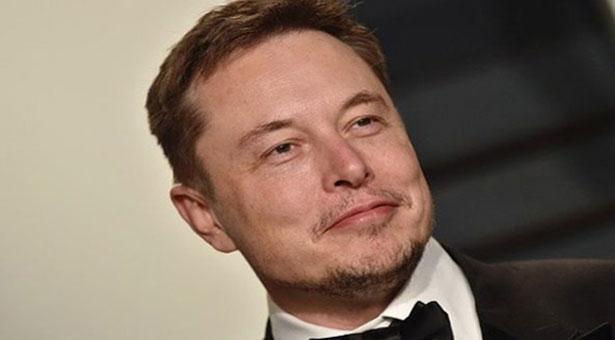
Tesla’s involvement signals the company’s strategic shift toward energy services and grid services. CEO Elon Musk has repeatedly emphasized that Tesla’s mission extends beyond vehicles into global energy transition. Energy services represent a potential revenue stream that could rival or exceed automotive margins over time.
The initial 300 MW deployment demonstrates proof-of-concept. Scaling to 500 MW would make the network significant enough to influence regional grid operations. Success depends on regulatory clarity, homeowner participation rates, and grid operator appetite for distributed resources in place of traditional generation.

Follow iNews Zoombangla On Google
Open the Google follow page and tap the checkmark option to receive more updates from iNews Zoombangla in your Google news feed.