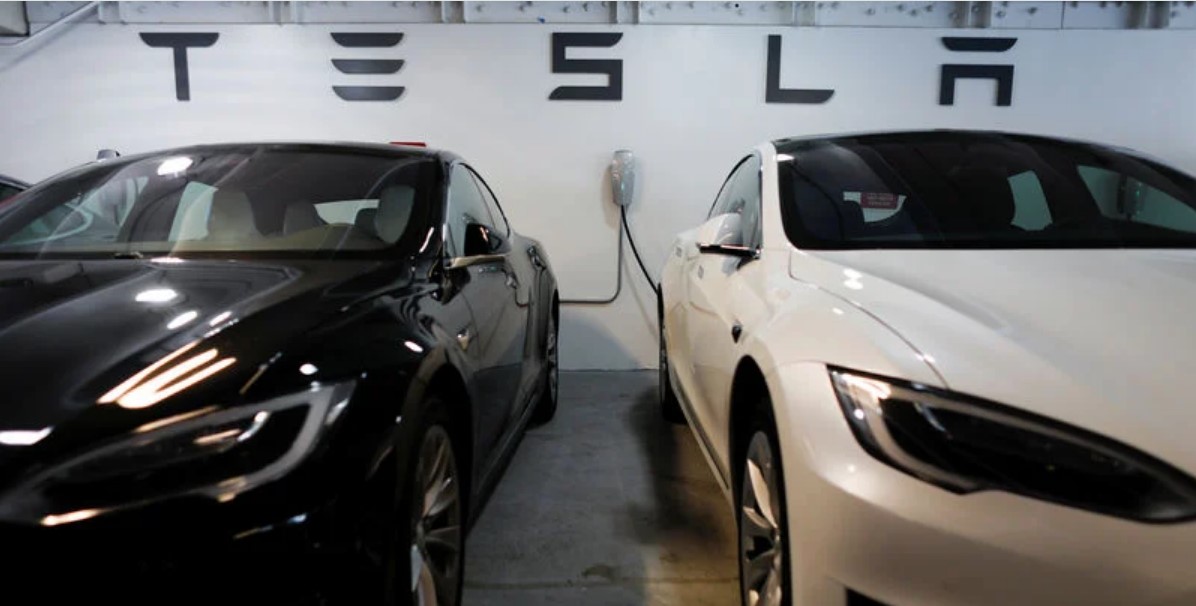
Tesla will report second-quarter earnings on July 22. The company delivered 480,126 vehicles in the quarter, comfortably ahead of analyst expectations of 406,024. Deliveries rose 25% year-over-year and 34% sequentially. Energy storage deployments reached 13.5 gigawatt-hours.
The numbers tell a straightforward story: Tesla is still growing. The automotive business hasn’t lost momentum. The energy business is scaling. What happens in the earnings call matters less than the hard numbers the company already released.
Robotaxi Becomes Real
Tesla launched its driverless robotaxi service in Miami in July. The company says it’s just getting started. There’s talk of scaling from Giga Texas, with investors believing the facility will increase manufacturing capacity to prepare for a massive Cybercab rollout.
The robotaxi has been promised for years. Now it exists in Miami. Whether it scales nationwide remains the real question. Wall Street will want clarity on timelines and profitability.
The Margin Question
Tesla’s guidance for capital expenditure is $115 billion to $135 billion for 2026. That’s among the largest infrastructure budgets in tech. The question isn’t whether Tesla is investing. It’s whether those investments will generate returns.
Margins matter as much as growth. Q2 showed Tesla can sell cars. The earnings call on July 22 will focus on whether Tesla can sell them profitably while building robotaxis and expanding energy.
Earnings come July 22. Markets will pay close attention to gross margins, guidance on Cybercab profitability, and whether Tesla’s capex spending is sustainable.

Follow iNews Zoombangla On Google
Open the Google follow page and tap the checkmark option to receive more updates from iNews Zoombangla in your Google news feed.