Trossard is returning in football updates because teams and supporters are testing how wide-channel movement behaves under tighter match pressure. The keyword remains active in the short cycle when line transitions and crossing windows change from one fixture to the next.
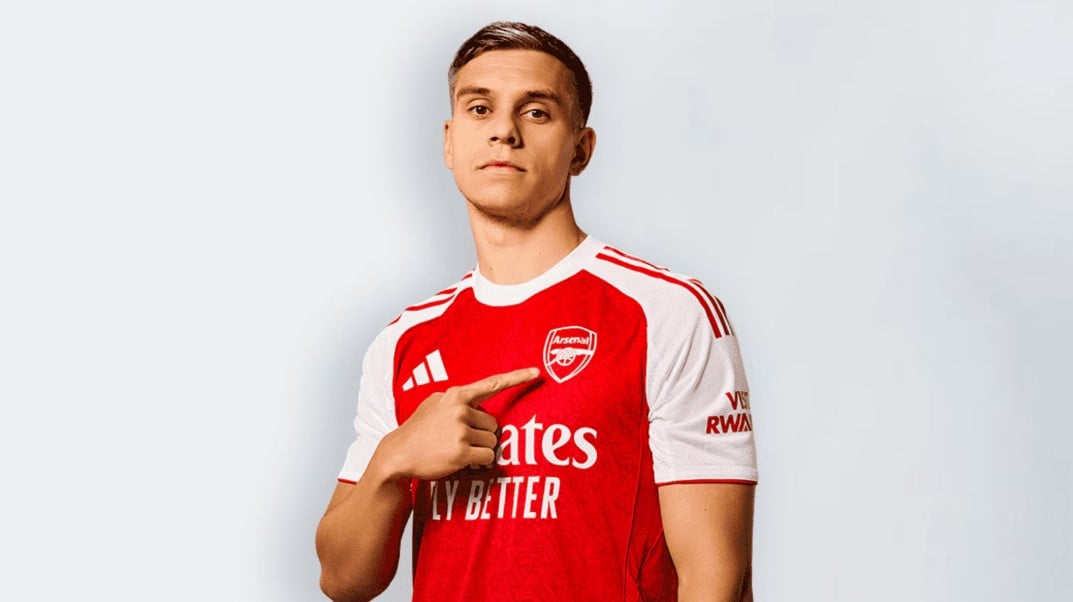
For followers, this is less about long-term form and more about practical game shape. If width can be used with fewer turnovers, the team gains control. If not, the same side can look flat quickly. That tension keeps Trossard and similar role profiles in focus as match windows stay busy.
Why this side of the discussion is newsworthy now
Football readers are increasingly tracking micro-patterns: whether full-backs stay connected, whether timing across wide channels is consistent, and whether one player can maintain decision quality when possession becomes crowded. Trossard remains a practical anchor for that conversation because the role itself affects game rhythm directly.
The update value is in what can change quickly. In a tight schedule, one tactical tweak can become visible within a day, which is exactly why this keyword has short-cycle relevance.
What could keep the angle alive
If follow-up matches show cleaner transitions and stronger overlap timing, the angle will likely hold for the next reporting window. If space quality drops, the same topic will quickly fade into broader results coverage.
Trossard stays in football updates because wide-channel movement and timing are being measured closely in the next match cycle.