British Prime Minister Keir Starmer announced his resignation on Monday after sustained pressure from within his own Labour Party. Starmer, who won a landslide election victory less than two years ago on a platform of stability, acknowledged that party members questioned his fitness to lead into the next general election.
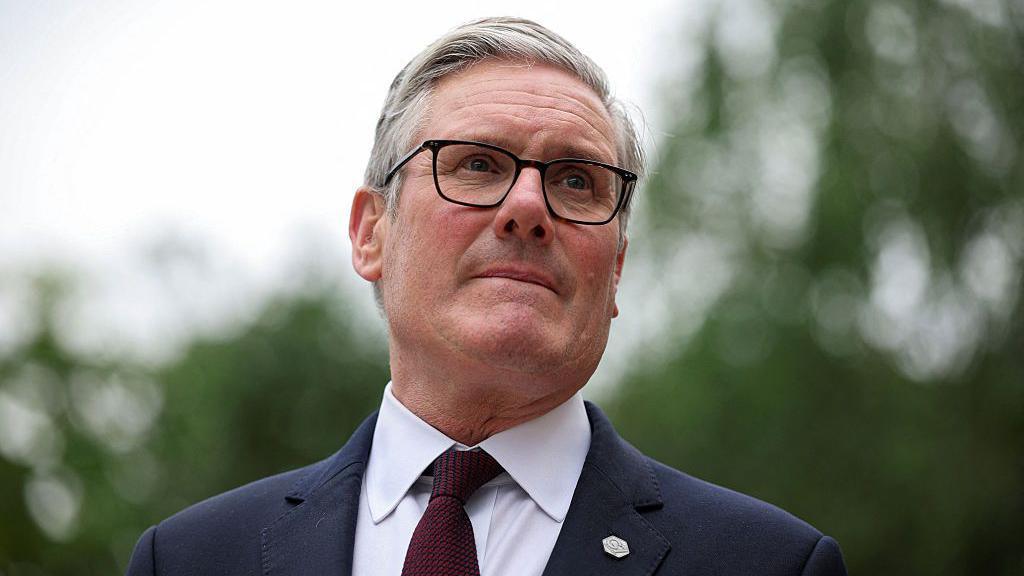
The resignation comes amid Labour’s electoral struggles, including dismal council election results in May and the rapid rise of the far-right Reform UK party. Internal dissent within the party leadership and backbenches contributed to the mounting pressure that ultimately forced the prime minister’s decision.
Starmer said he accepted the party’s verdict “with good grace,” acknowledging that his continued leadership was becoming a liability rather than an asset. He will remain as caretaker prime minister until the Labour Party selects a new leader, with nominations beginning July 9.
Greater Manchester Mayor Andy Burnham is widely expected to succeed Starmer as prime minister and party leader. His elevation would make Burnham the United Kingdom’s seventh prime minister in a decade, underscoring the political instability that has characterized British governance in recent years.
Starmer’s departure after achieving a historic electoral victory represents a remarkable reversal of fortune. The pace of his fall reflects both internal party dynamics and the broader unpredictability that has defined British politics throughout the 2020s.

Follow iNews Zoombangla On Google
Open the Google follow page and tap the checkmark option to receive more updates from iNews Zoombangla in your Google news feed.