Ukraine and Moldova formally opened accession negotiations with the European Union this week, beginning the structured process that could eventually lead to full membership in a milestone that carries symbolic weight given that Ukraine remains engaged in active conflict with Russia.
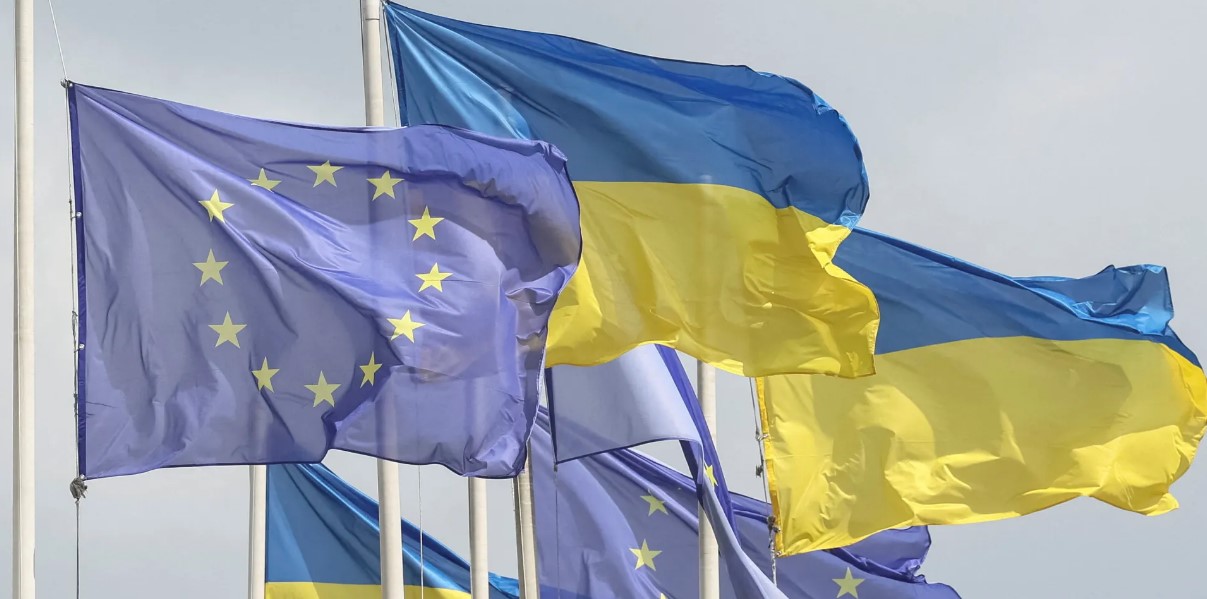
The talks opened with the Fundamentals cluster, the first of the negotiating chapters covering rule of law, judicial independence, anti-corruption frameworks, and fundamental rights. EU enlargement officials said further progress is conditioned on both countries meeting specific benchmarks before advancing to other chapters.
European Commission president Ursula von der Leyen attended the opening ceremonies and called the moment historic for the European project. She said membership timelines depend entirely on the pace of domestic reforms, not on political decisions in Brussels.
For Ukraine, the accession process carries an additional dimension. President Volodymyr Zelensky has consistently framed EU membership as a core war aim, a guarantee that Ukraine’s future lies within the Western institutional order. Beginning formal talks while the war continues is itself a statement of that direction of travel.
Moldova faces significant governance challenges. Corruption within parts of the judiciary and public administration remains a concern for EU evaluators. The government in Chisinau has made notable progress in recent years, but accession negotiations will put those reforms under sustained scrutiny.
The EU currently has nine candidate countries at various stages of the accession process, including several Western Balkan nations that have been negotiating for over a decade. Opening talks does not guarantee a near-term membership date, and both countries face a long road of reform and compliance before any accession date could be set.
The opening of talks nonetheless creates legal frameworks, monitoring mechanisms, and benchmarks that did not previously exist, signalling that the bloc’s door is genuinely open rather than symbolically so.
The next round of accession cluster negotiations is expected in the autumn, following European Commission assessment reports on progress in the Fundamentals chapter.

Follow iNews Zoombangla On Google
Open the Google follow page and tap the checkmark option to receive more updates from iNews Zoombangla in your Google news feed.