The United States and Iran have confirmed their peace agreement will be formally signed in Geneva, Switzerland, on June 19, ending more than three months of military conflict. Vice President JD Vance is expected to attend the ceremony in person. President Donald Trump authorised the immediate removal of the US naval blockade from the Strait of Hormuz on Sunday.
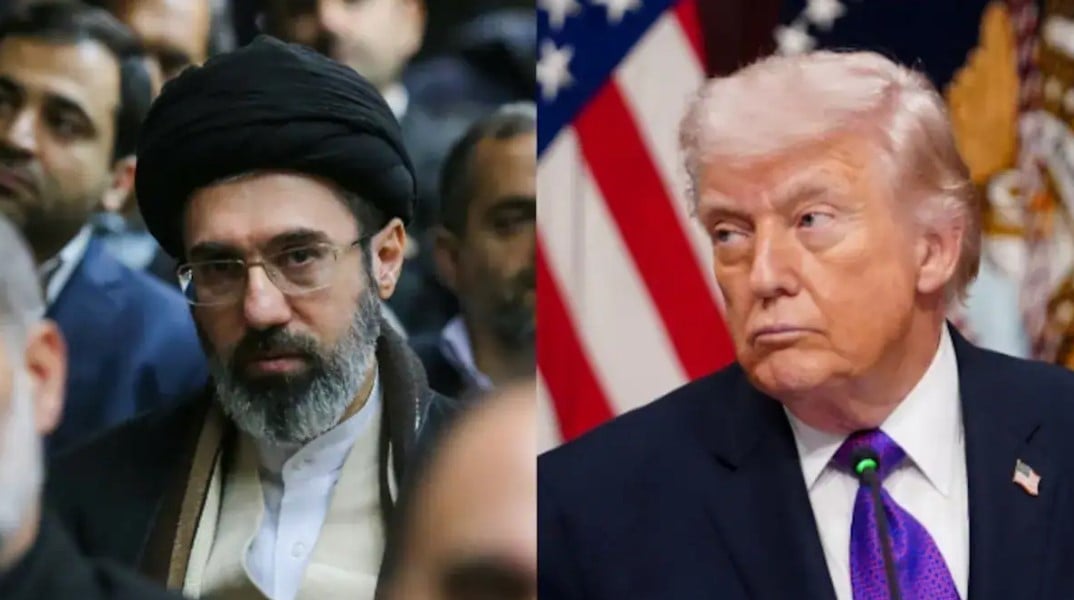
Trump announced the deal on Sunday, saying the agreement was complete and that toll-free shipping through the strait would resume. He said the accord would either be signed by him electronically or by Vance in person. Vance, speaking separately, called the agreement a potential “new era” in the Middle East and said he expected energy prices to fall as a result.
The framework agreed by both sides is known as the Islamabad Declaration, which was mediated by Pakistan and Qatar. Under the deal, Iran commits to never acquiring a nuclear weapon. The agreement does not specify how Iran’s existing enriched uranium stockpile will be disposed of; that question is left to a 60-day follow-on negotiation period beginning after the signing.
The conflict between the United States and Iran began in late February 2026 and resulted in the closure of the Strait of Hormuz, through which roughly one-fifth of the world’s daily oil supply flows. Iran’s Supreme Leader Ali Khamenei was killed in the opening hours of a joint US-Israeli strike. His son Mojtaba Khamenei succeeded him but has remained largely out of public view since.
Lebanon is listed in the agreement, which Iran insisted upon, though the United States and Israel maintain the truce covers only direct US-Iran hostilities. The status of Israeli operations in southern Lebanon remains contested.
The deal is being examined closely by allies and rivals alike. G7 leaders, gathering in Évian, France, from June 15 to 17, put the agreement near the top of their agenda. France’s President Emmanuel Macron said he expected discussion at the summit about the lasting reopening of the Hormuz waterway and a broader agreement on Iran’s nuclear programme. Ukraine’s President Volodymyr Zelensky is also attending the summit and is expected to push separately for weapons support.
The formal signing on June 19 will mark the official end of the conflict, though implementation timelines and verification questions remain unresolved. Al Jazeera reported that both delegations are expected to arrive in Geneva by Thursday to finalise procedural details ahead of the ceremony. A 60-day negotiating clock on nuclear issues begins the moment the document is signed.
Vance warned that if the deal collapsed, Iran would “find out” that Trump was “not one to mess around.” The warning was aimed at hardliners inside Iran who have questioned the agreement’s terms. Iranian officials have said publicly that all nuclear details were reserved for the follow-on talks and that nothing about uranium enrichment was agreed at the framework stage.

Follow iNews Zoombangla On Google
Open the Google follow page and tap the checkmark option to receive more updates from iNews Zoombangla in your Google news feed.