The Federal Energy Regulatory Commission ordered all six major US regional grid operators on June 18 to either defend their current rules for connecting data centers to the power grid or propose specific reforms within 60 days, as demand from AI infrastructure strains the country’s electricity network.
The orders were issued under Section 206 of the Federal Power Act and apply to PJM Interconnection, Midcontinent Independent System Operator, Southwest Power Pool, California Independent System Operator, ISO New England, and the New York Independent System Operator. The Texas grid, operated separately by ERCOT, was not included.
Each operator must address five areas: faster processing of transmission service applications; safeguards to prevent cost-shifting onto existing ratepayers; rules for co-location and behind-the-meter power generation; new transmission services designed specifically for flexible large loads; and study processes for generation facilities serving nearby AI infrastructure.
The operators and their transmission owners also have 30 days to file reports describing how they plan to ensure adequate power supply for both existing customers and the wave of new large energy users seeking connections. FERC wants data centers to bring their own power or agree to reduce usage during peak demand periods.
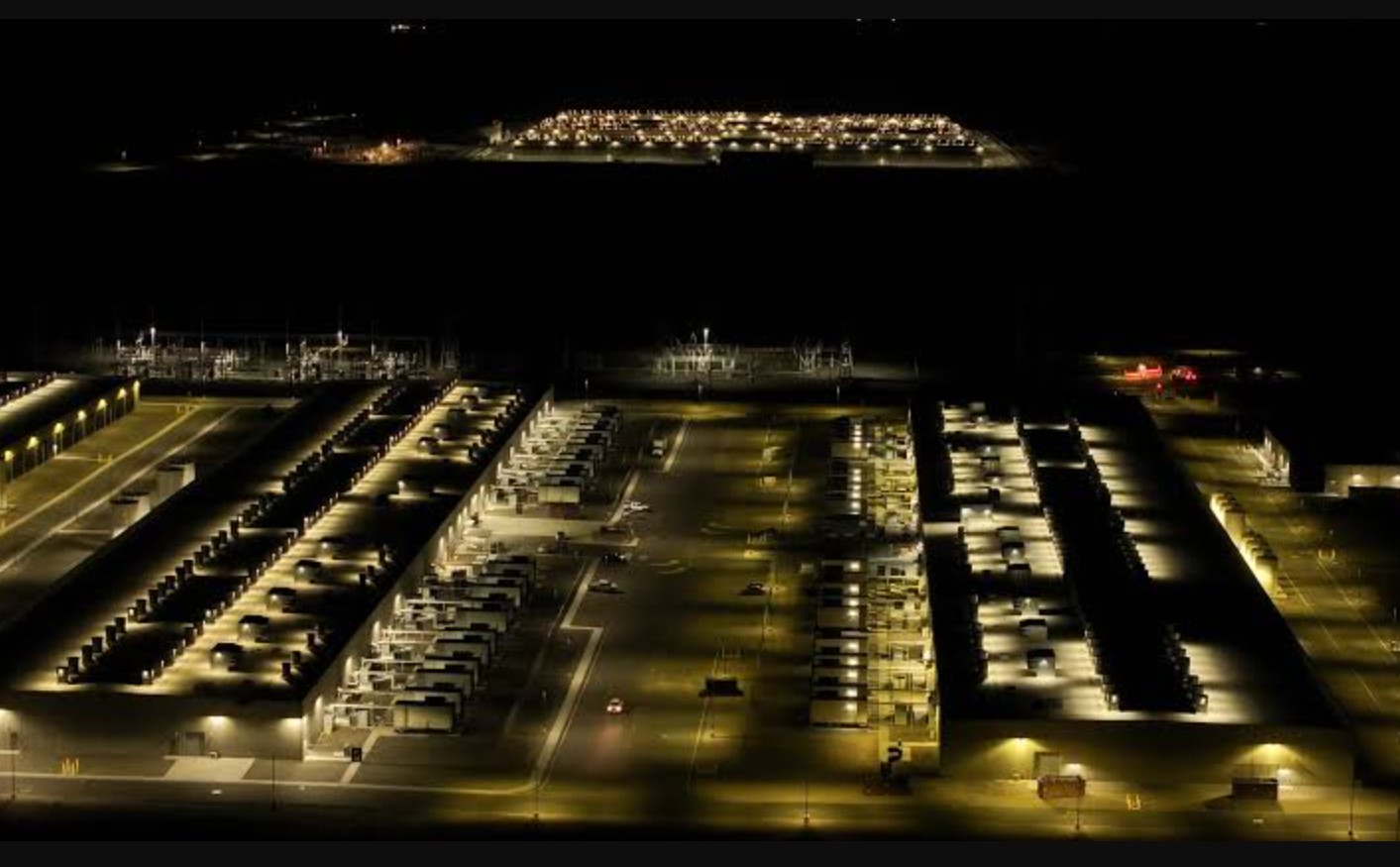
The rulemaking effort was launched after Energy Secretary Chris Wright directed FERC in October 2025 to consider reforms aimed at ensuring timely interconnection for large industrial loads. AI data centers have emerged as the primary driver of new power demand across the US, with some projections suggesting the sector could account for a quarter of American electricity consumption by the end of the decade.
The commission’s action follows years of backlogs in the interconnection queue. A single large AI training cluster can draw 500 megawatts or more, equivalent to the output of a mid-size power plant. SpaceX’s acquisition of Cursor last week highlighted how quickly AI companies are expanding their infrastructure footprint. Google and Microsoft have both announced data center investments running into the tens of billions this year.
The Microsoft Japan AI commitment of 10 billion dollars is one example of the scale of global build-out underway. FERC’s orders give grid operators a hard deadline and a clear signal that the federal government now treats AI power access as a matter of national economic priority, not a routine permitting matter. Whether the 60-day response window produces workable reform or a further round of legal challenges is the open question facing the commission this summer.

Follow iNews Zoombangla On Google
Open the Google follow page and tap the checkmark option to receive more updates from iNews Zoombangla in your Google news feed.